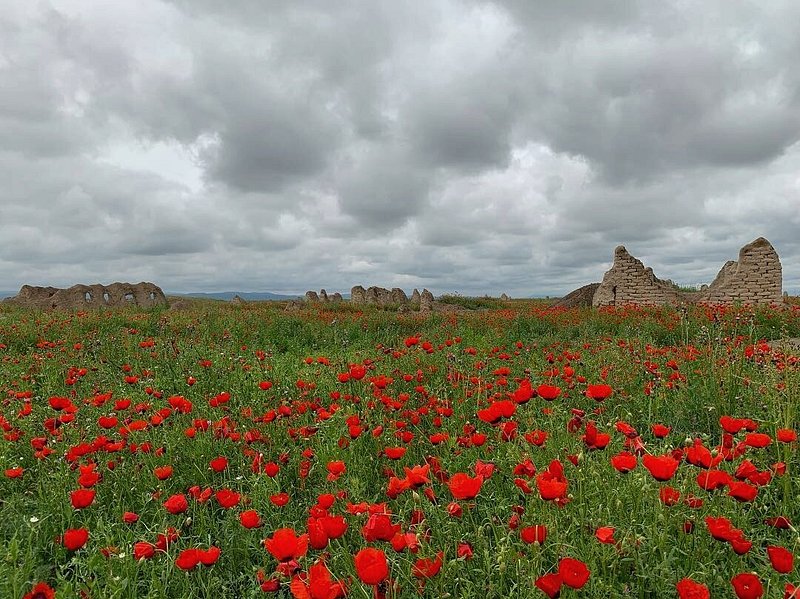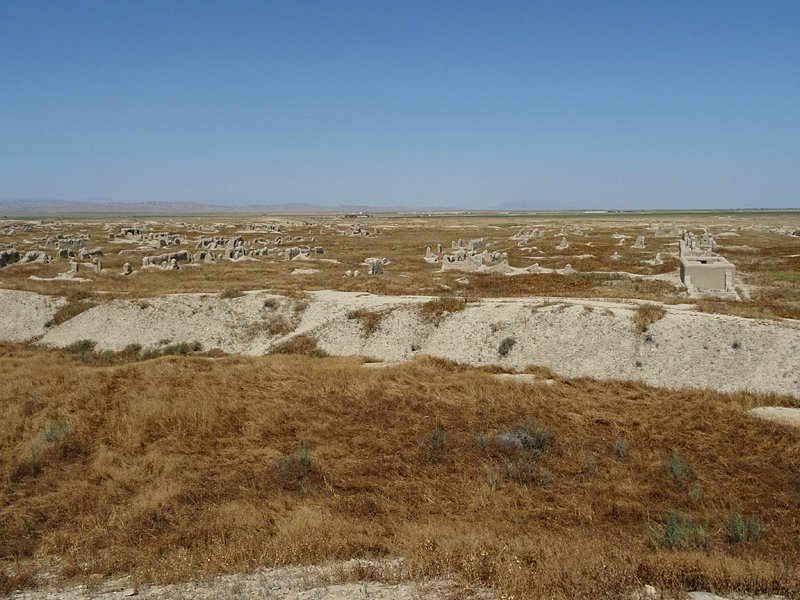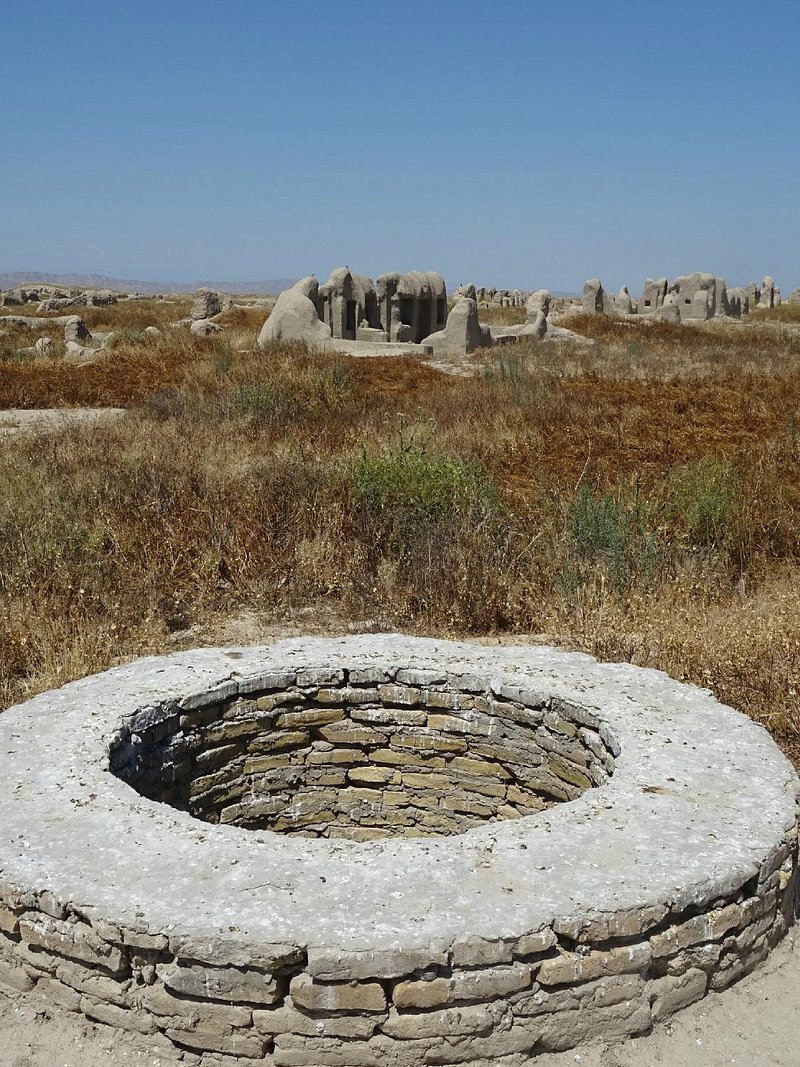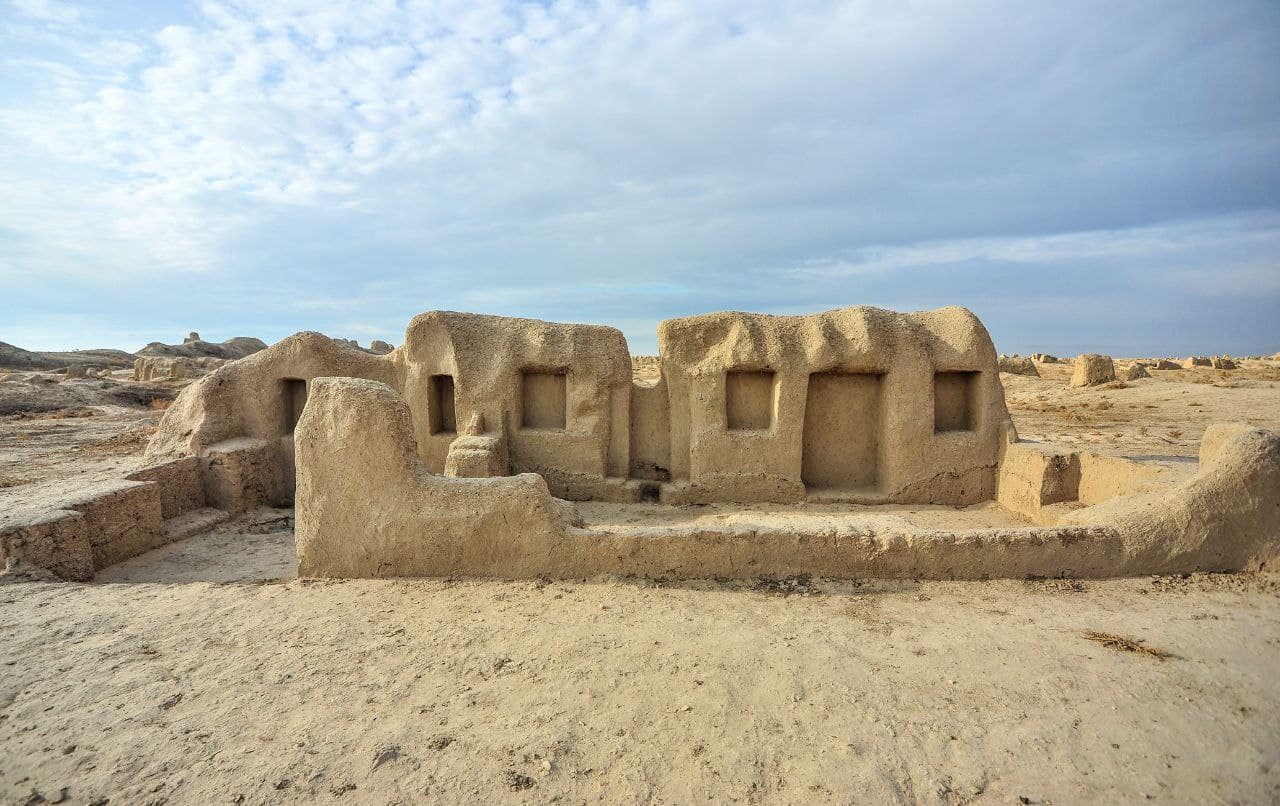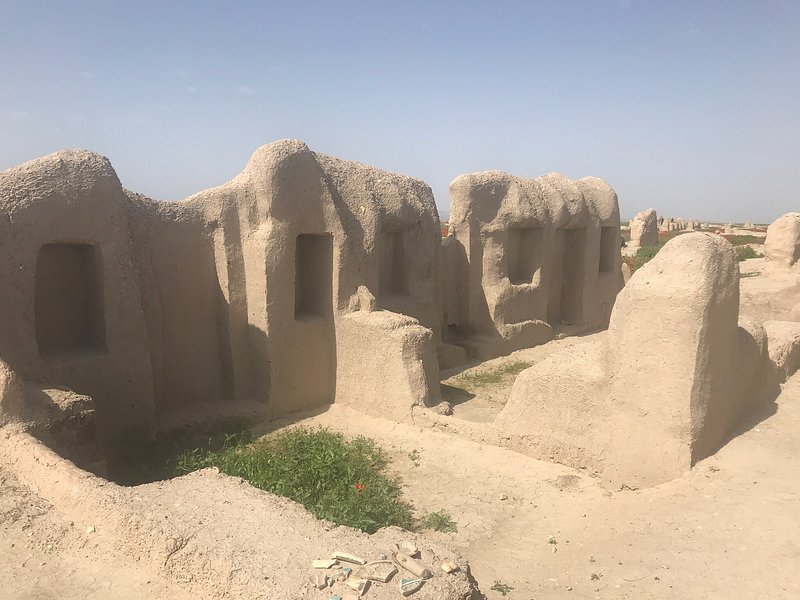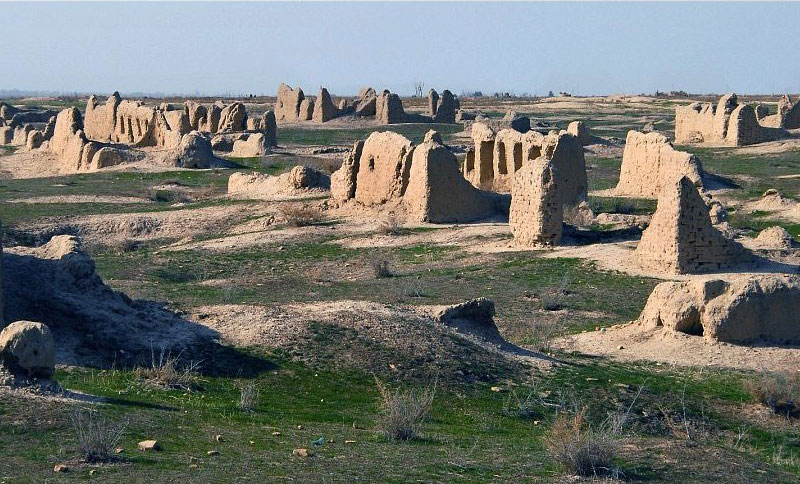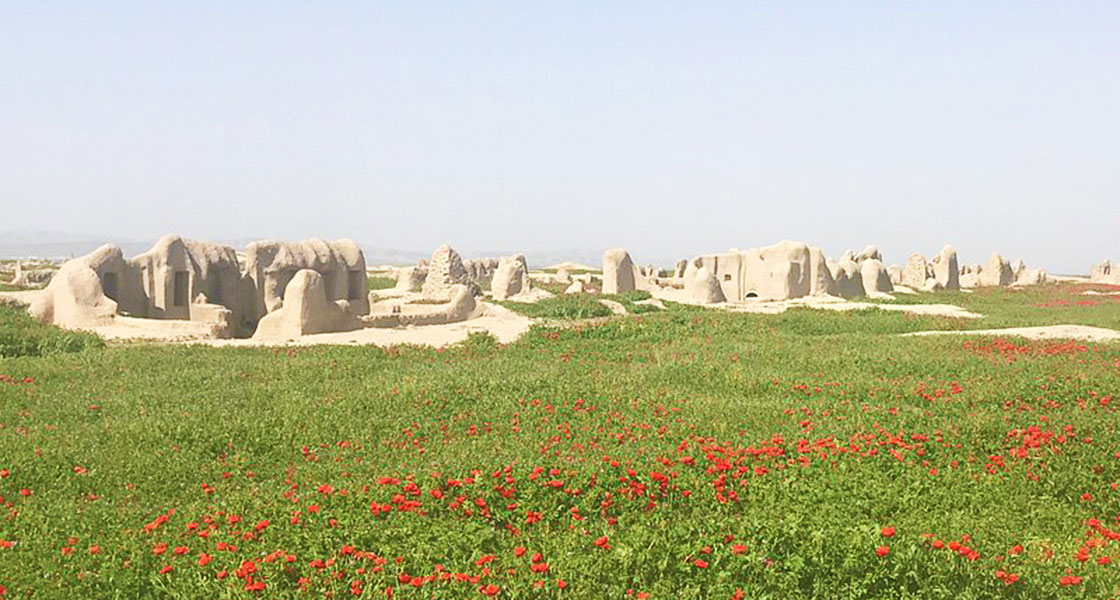
Aby werd, also known as Abiverd or Abiward, is an ancient city located in Turkmenistan’s Ahal province, near the Kopetdag mountains. Its strategic position along historic caravan routes made it a significant crossroad for various cultures over centuries.
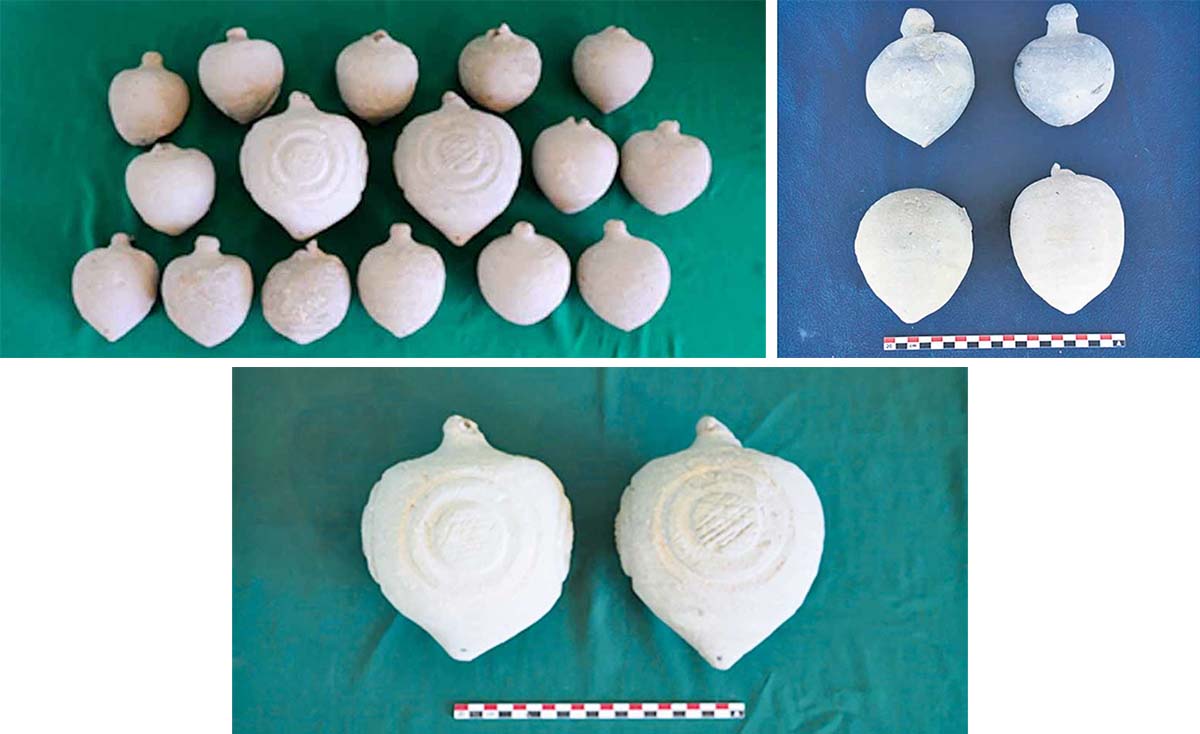
Dating back to the Sassanian period, Aby werd flourished as a fortified settlement and trade hub. Archaeological excavations have uncovered remnants of defensive walls, pottery shards, coins, and ancient tools, indicating a thriving community engaged in commerce and craftsmanship. The city was part of a network of border cities established by ancient Iranian rulers to protect against raids from inner Asia.
In 652 CE, during the caliphate of Osman, Aby werd became a point of contention among various Arabian caliphs, highlighting its strategic importance. Subsequently, it came under the control of several dynasties, including the Tahirids (821–873), Saffarids (873–901), and Samanids, before falling to the Ghaznavids in the 990s.
The city’s decline began in the 13th century when it was devastated by the Mongols in 1221. Tulikhan, the eldest son of Genghis Khan, destroyed the city, marking the beginning of its prolonged decline . By the 15th century, Aby werd had largely been abandoned, its ruins standing as silent witnesses to its storied past.