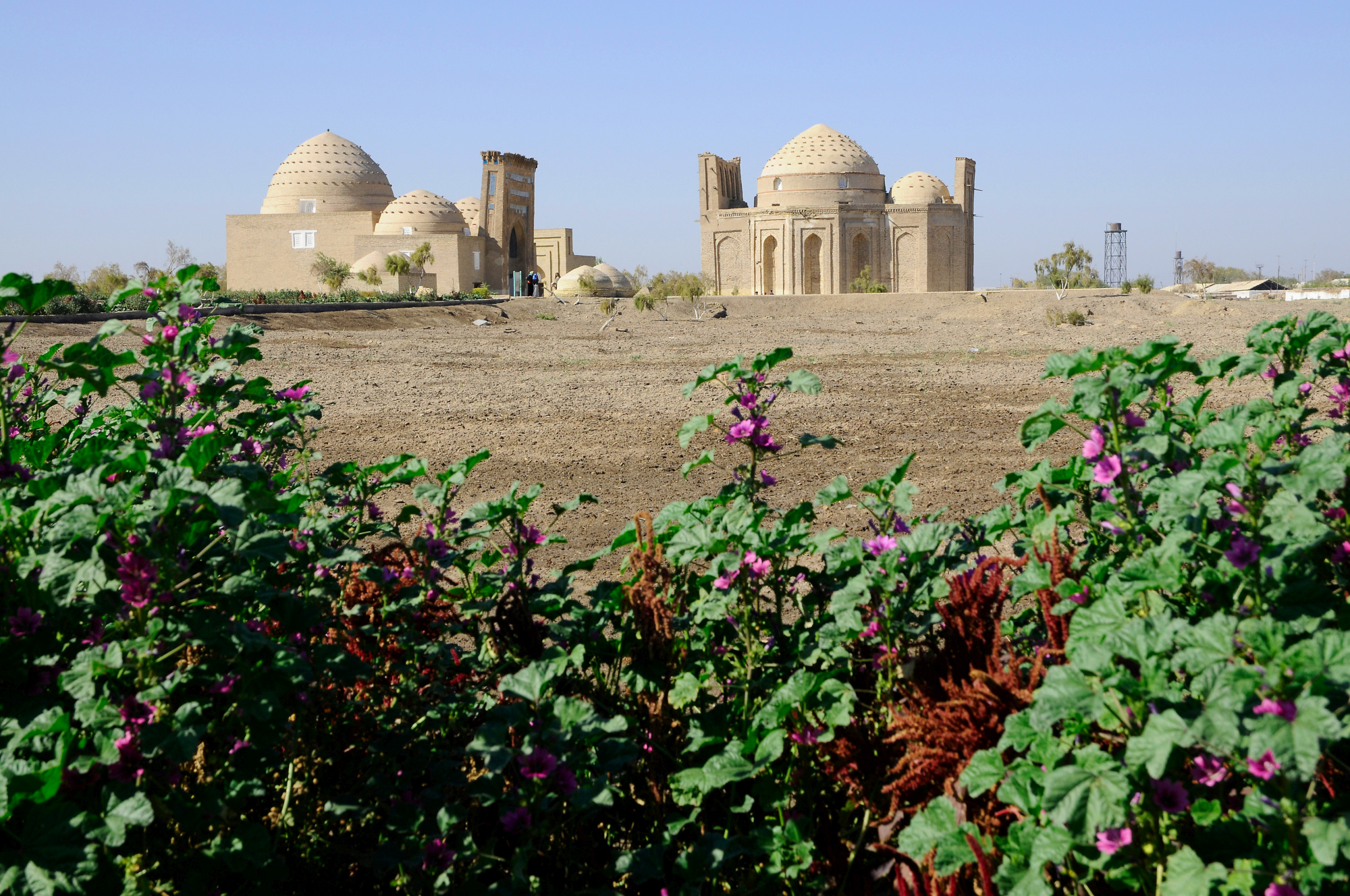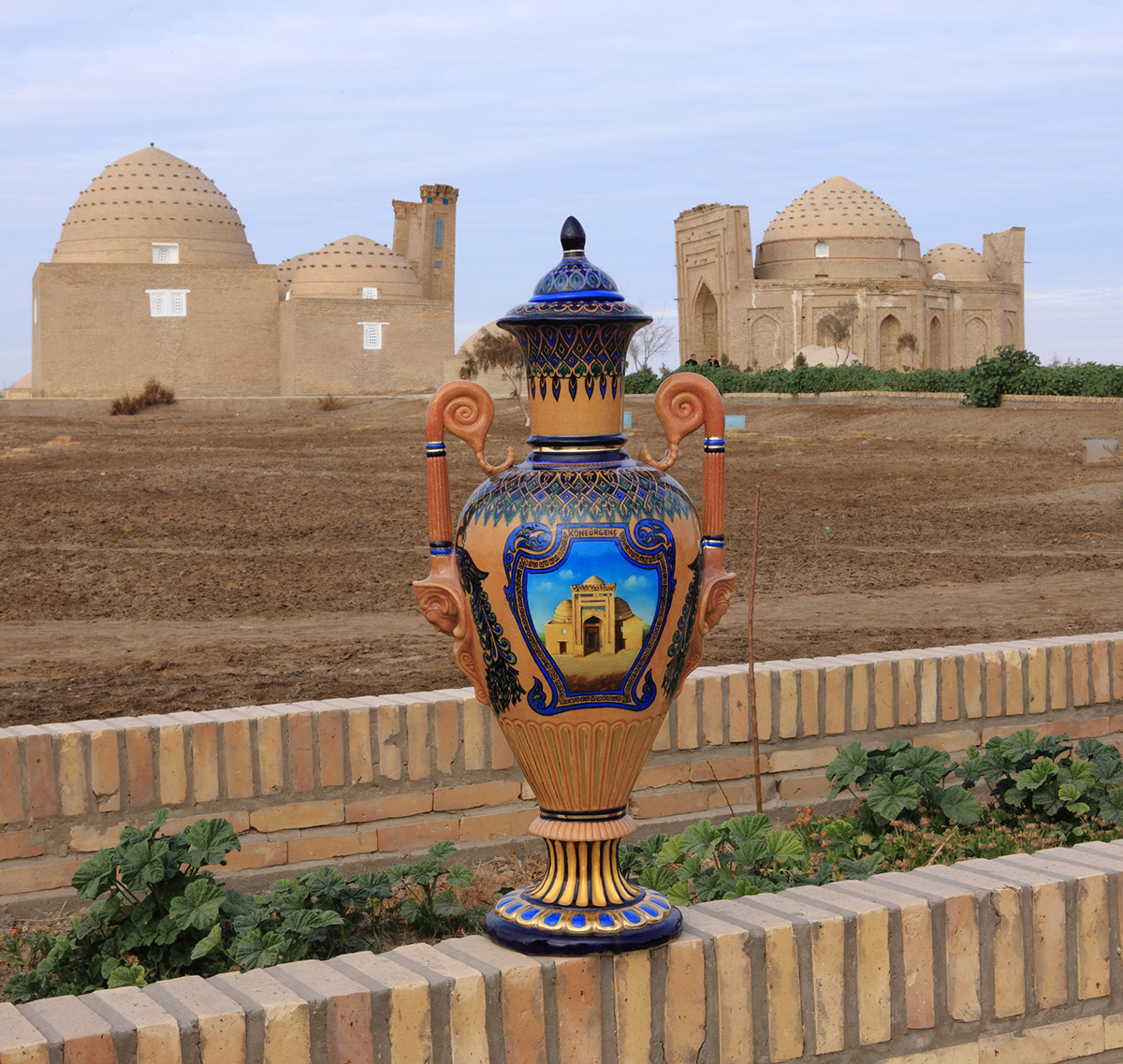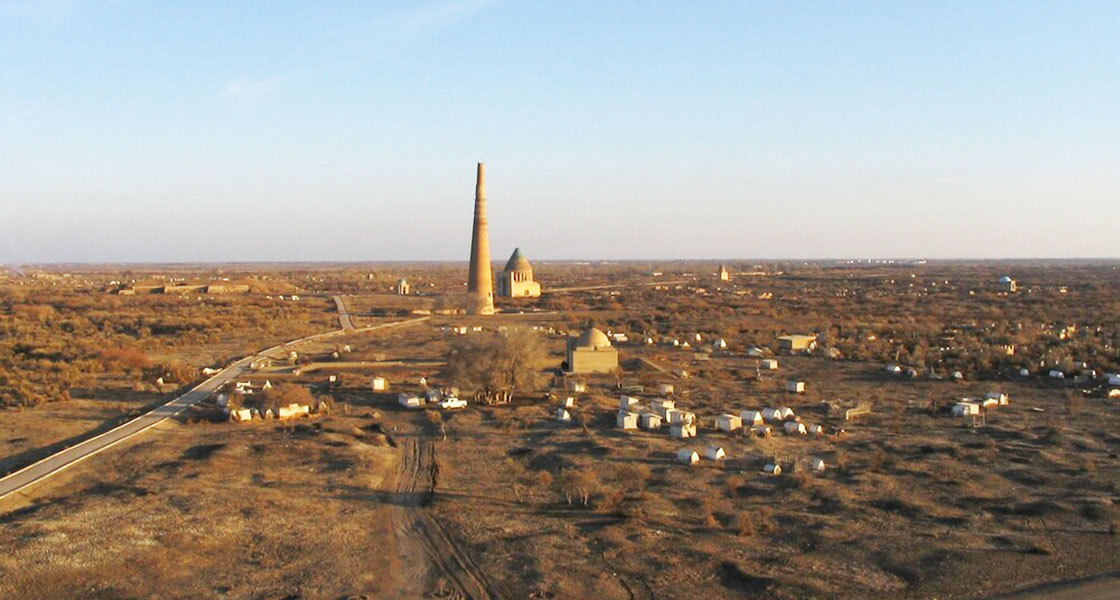
 The city flourished under the Seljuk and Khorezmshah dynasties, becoming a thriving hub of trade, culture, and islamic learning. It was a vital stop along the Silk road, connecting East and West, which contributed to its wealth and influence. Its importance was recognized by UNESCO when it was designated a world heritage site in 2005.
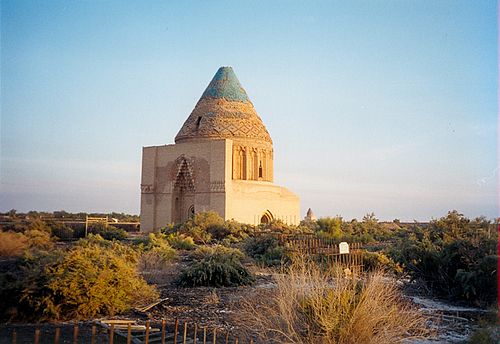 Mausoleum of Sultan Tekesh: erected in the late 12th century (Tekesh reigned 1172–1200), featuring a square plan, ribbed drum, and a turquoise-tiled dome.
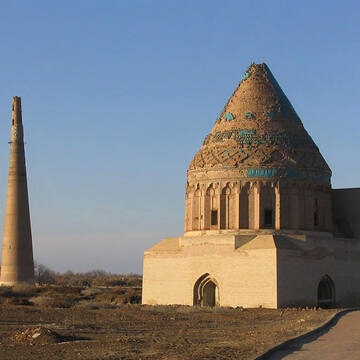
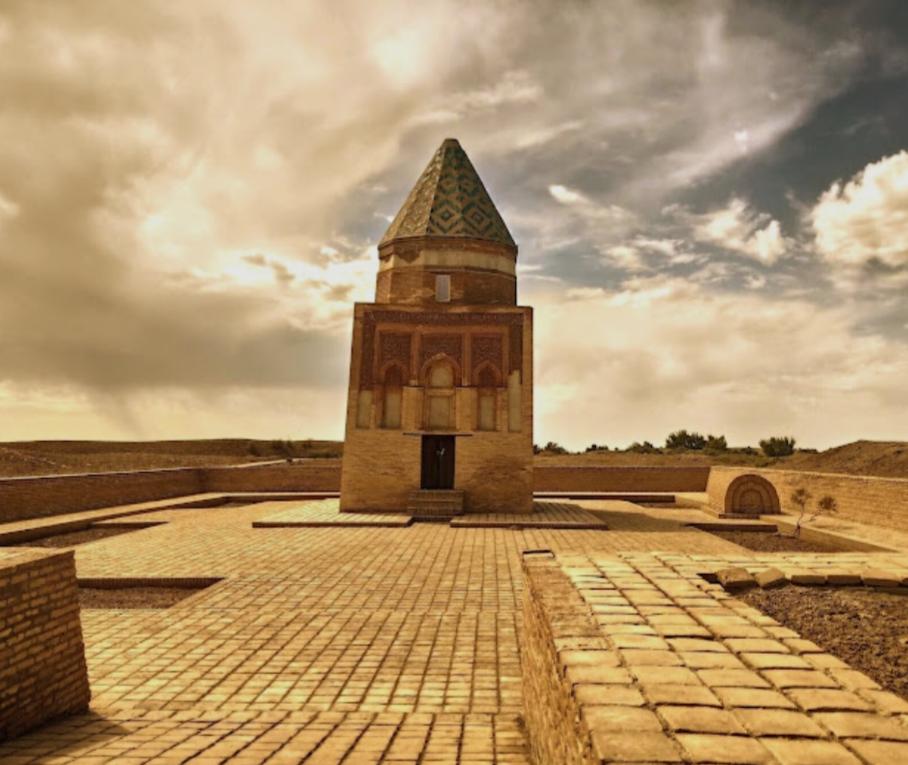 Mausoleum of il-Arslan: built in the mid-12th century, distinguished by its 12-sided drum and zigzag tile decoration in turquoise.
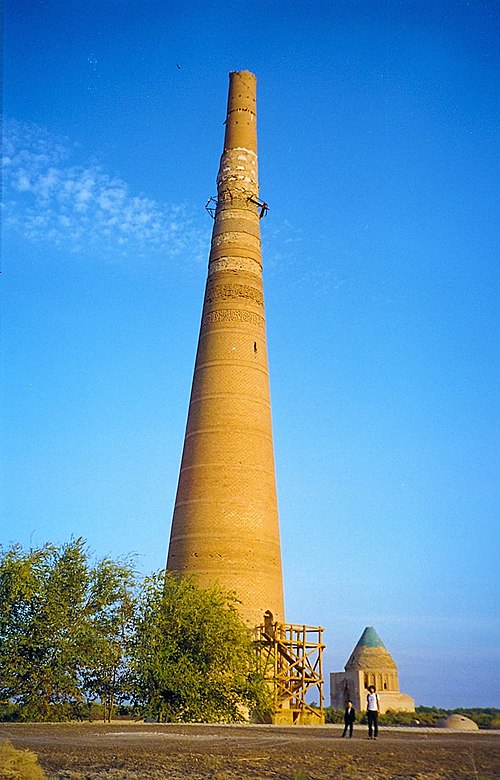 Kutlug-Timur minaret: Built initially around 1011 AD and completed or restored between 1321–1330, it towers approximately 60 m high, making it the tallest medieval structure in Central Asia.