Shahrislam is located around 20 km north of present-day Baherden, at the foothills of the Kopetdag Mountains, Ahal Province, Turkmenistan.
Period: 9th – early 15th century.
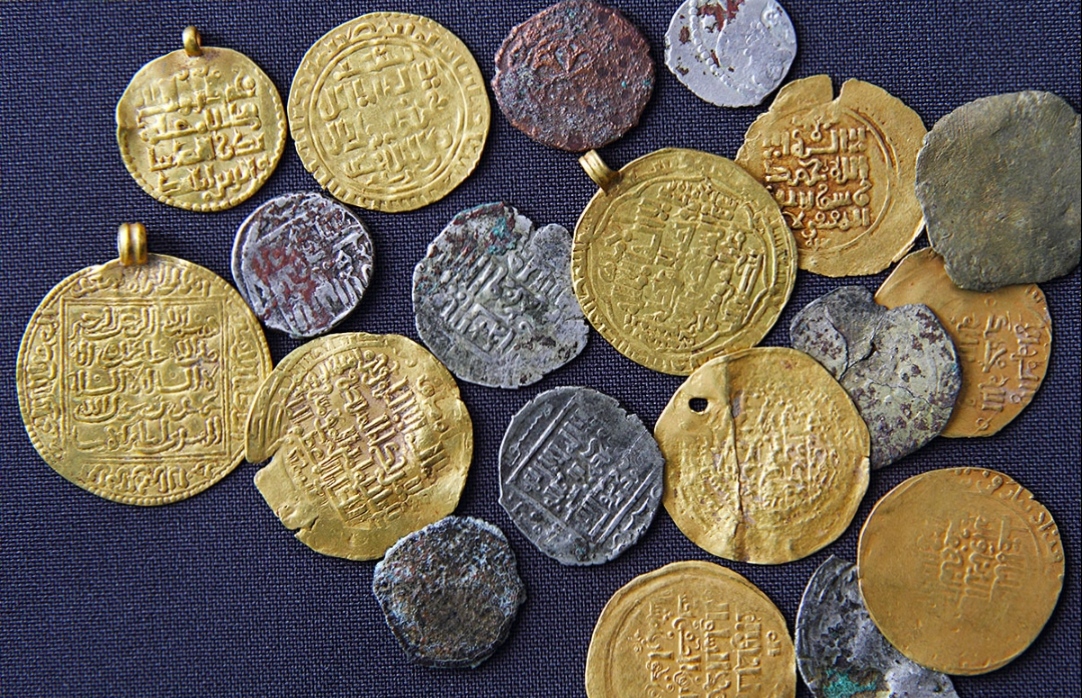
Shahrislam was an important fortified settlement and a vibrant trade and craft center along the Great Silk Road. It connected major medieval routes between Khwarezm, Merv, and northeastern Persia. The city was known for its pottery, metalwork, and a sophisticated water management system that sustained life in this arid region.
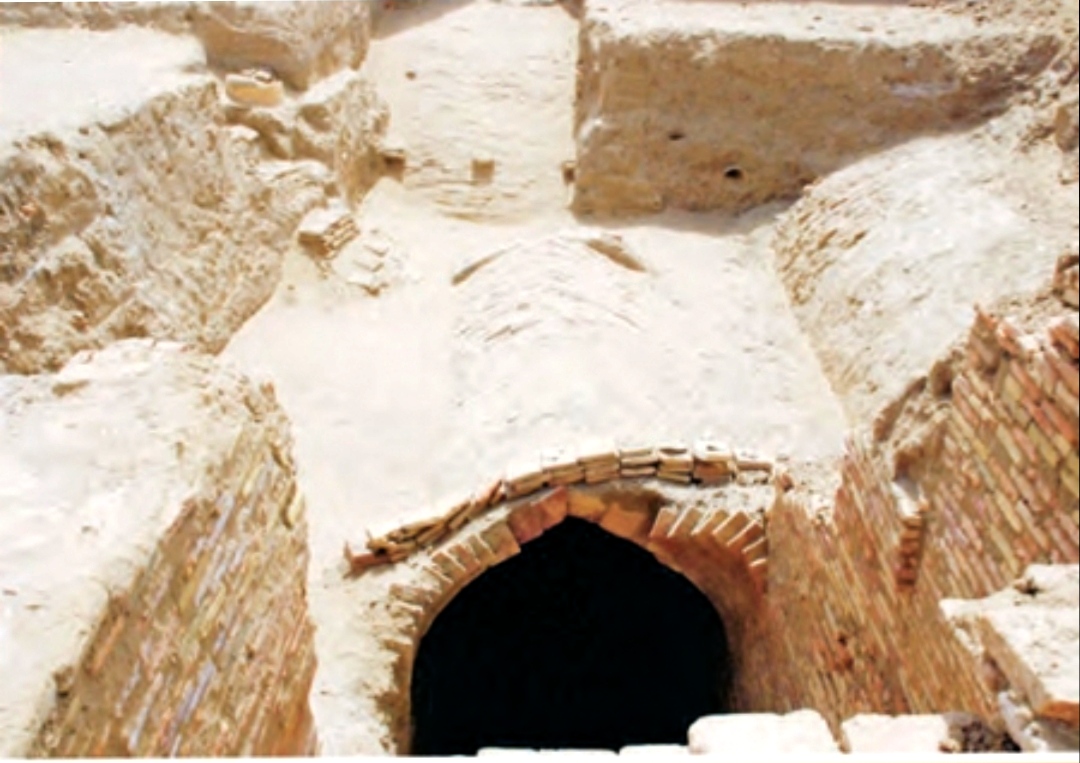
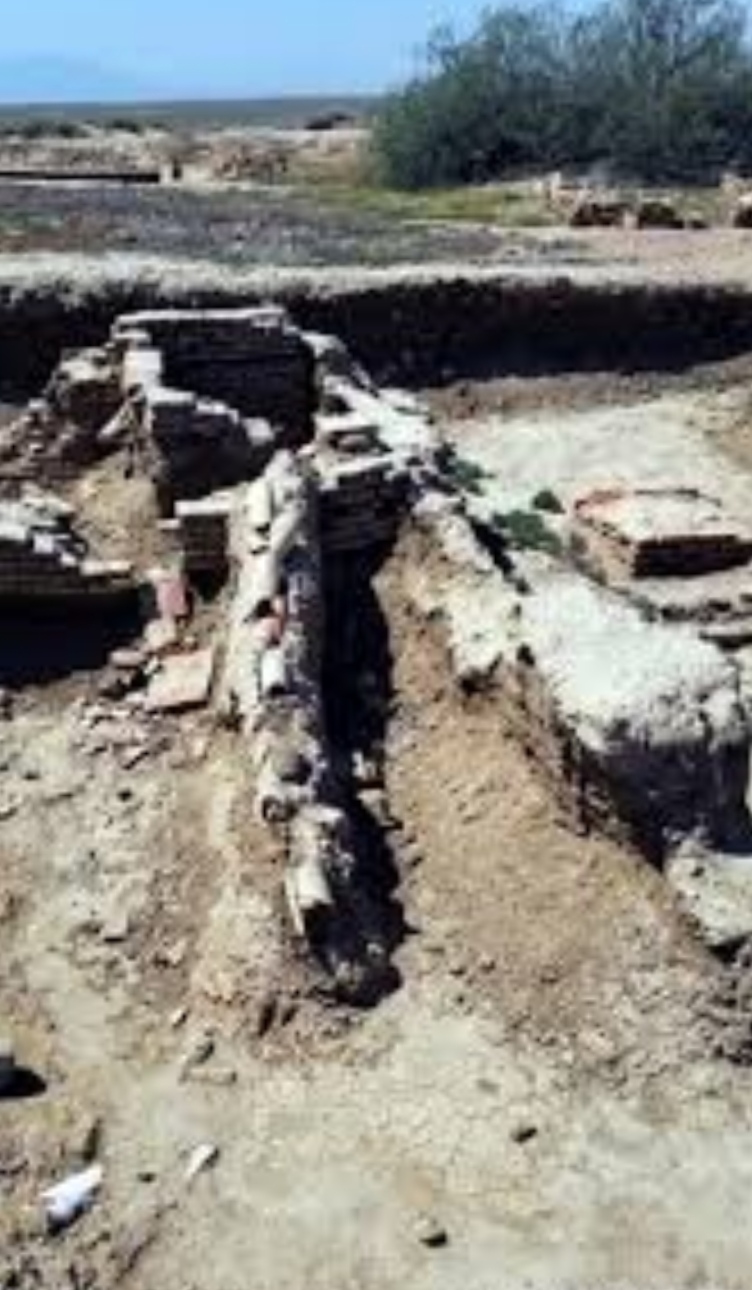
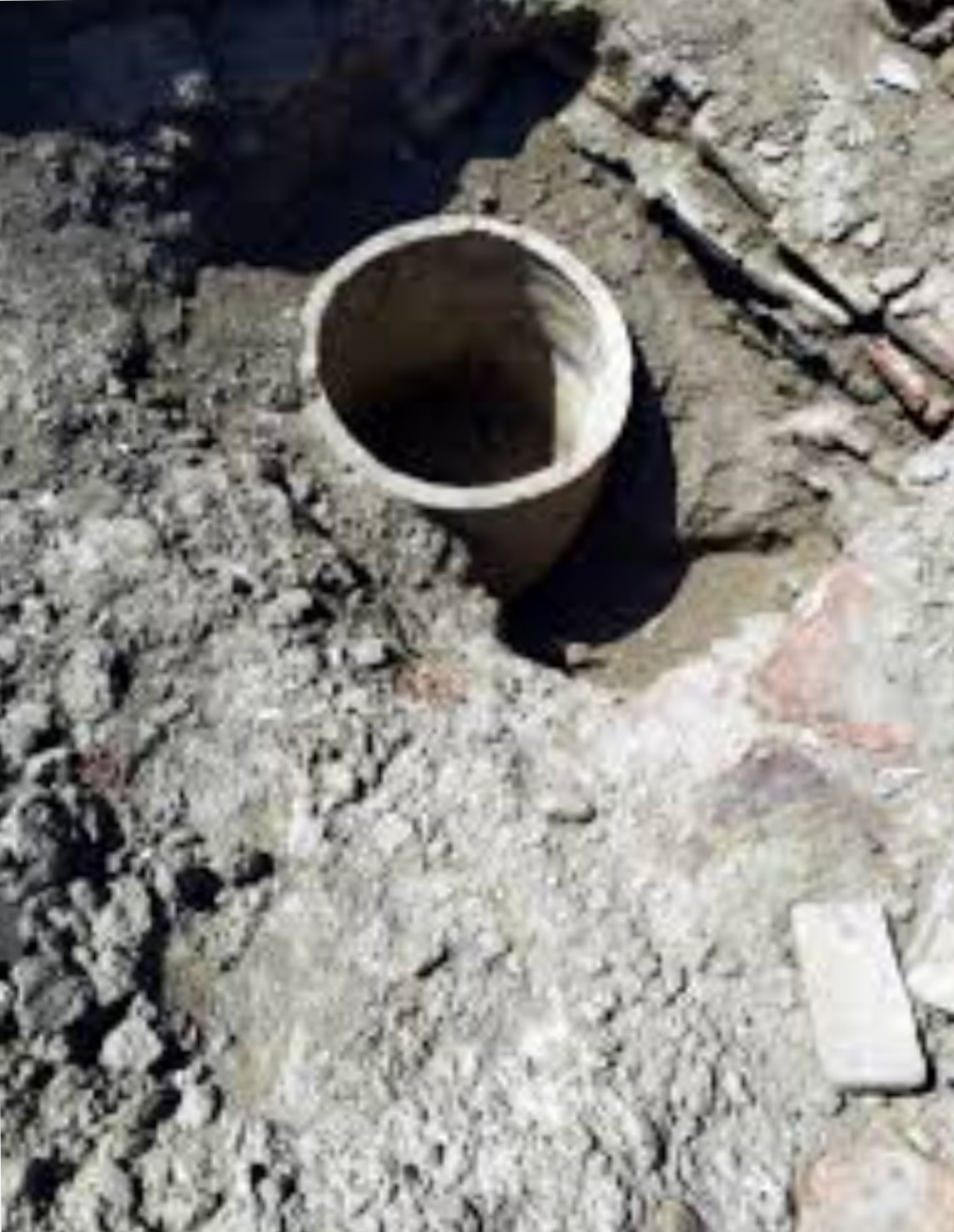
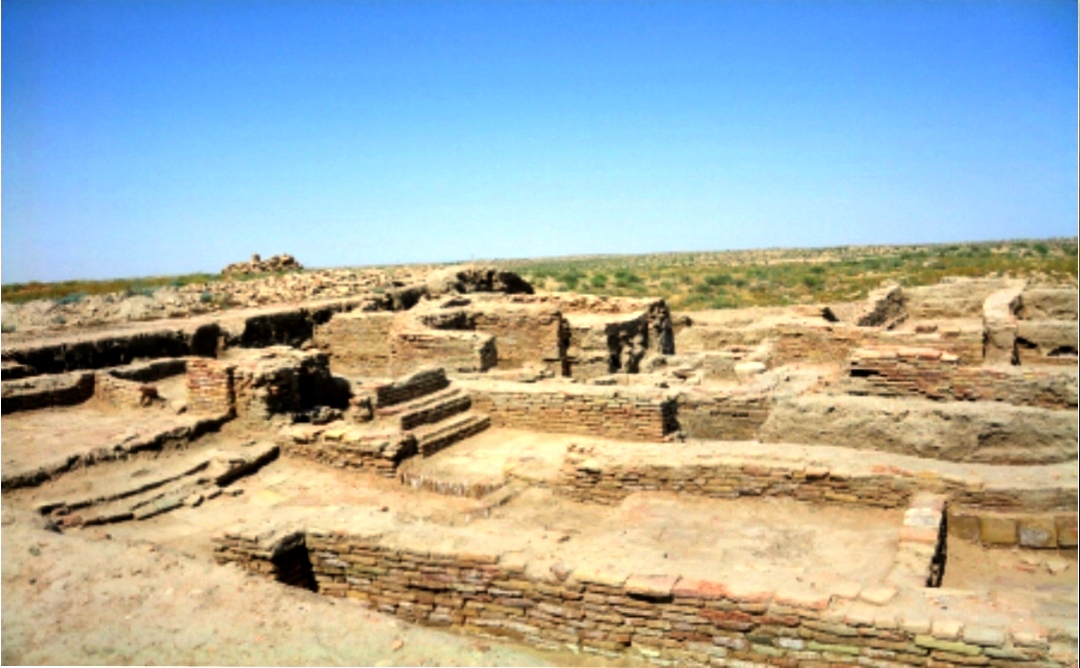
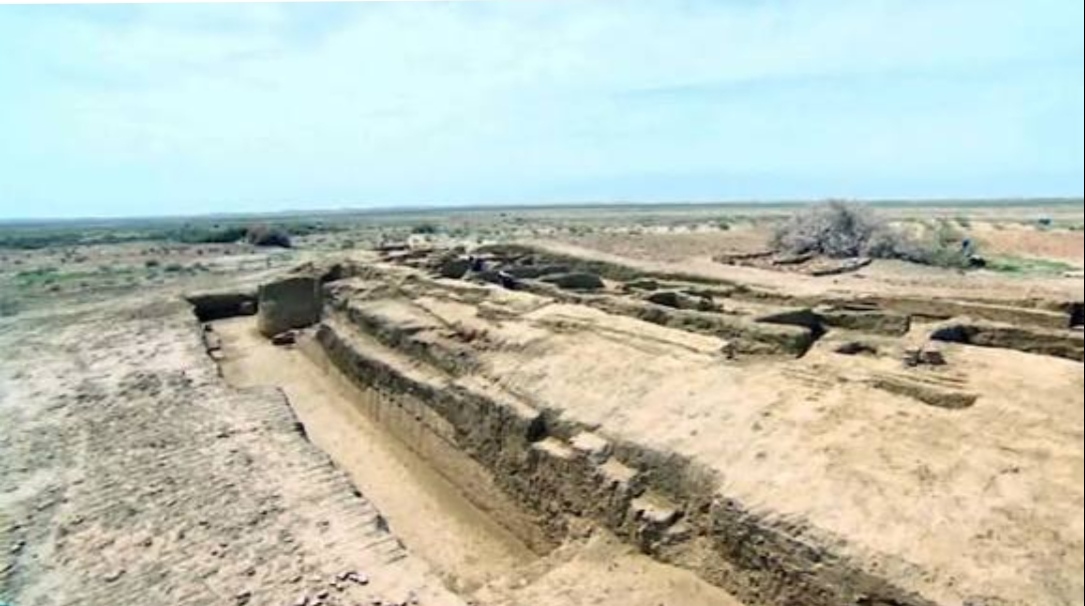
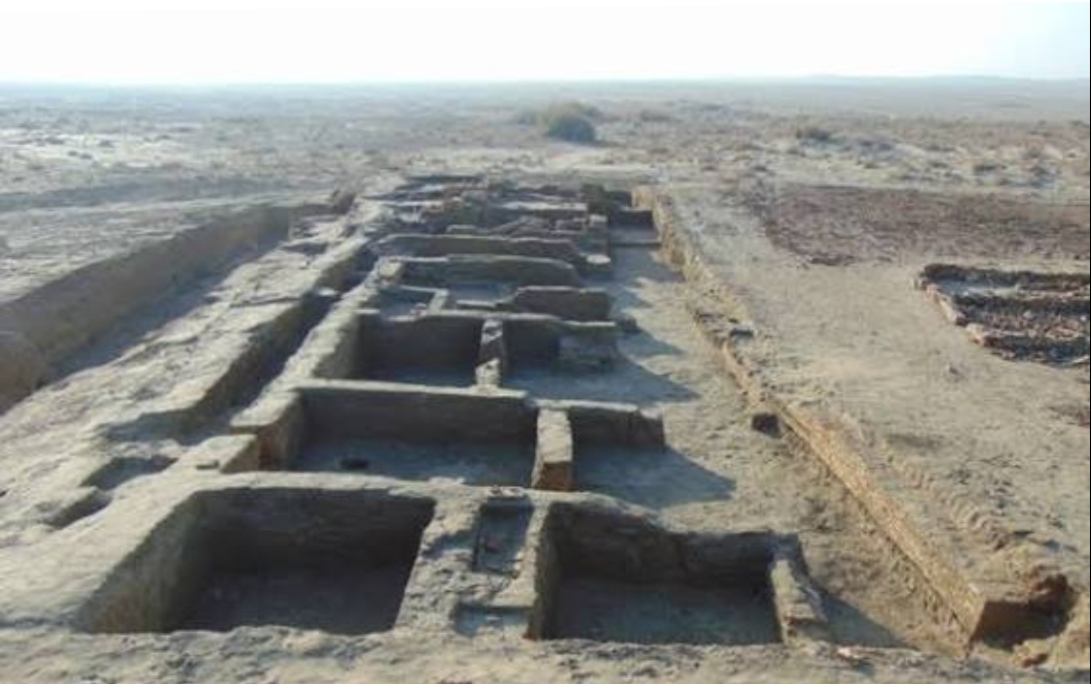
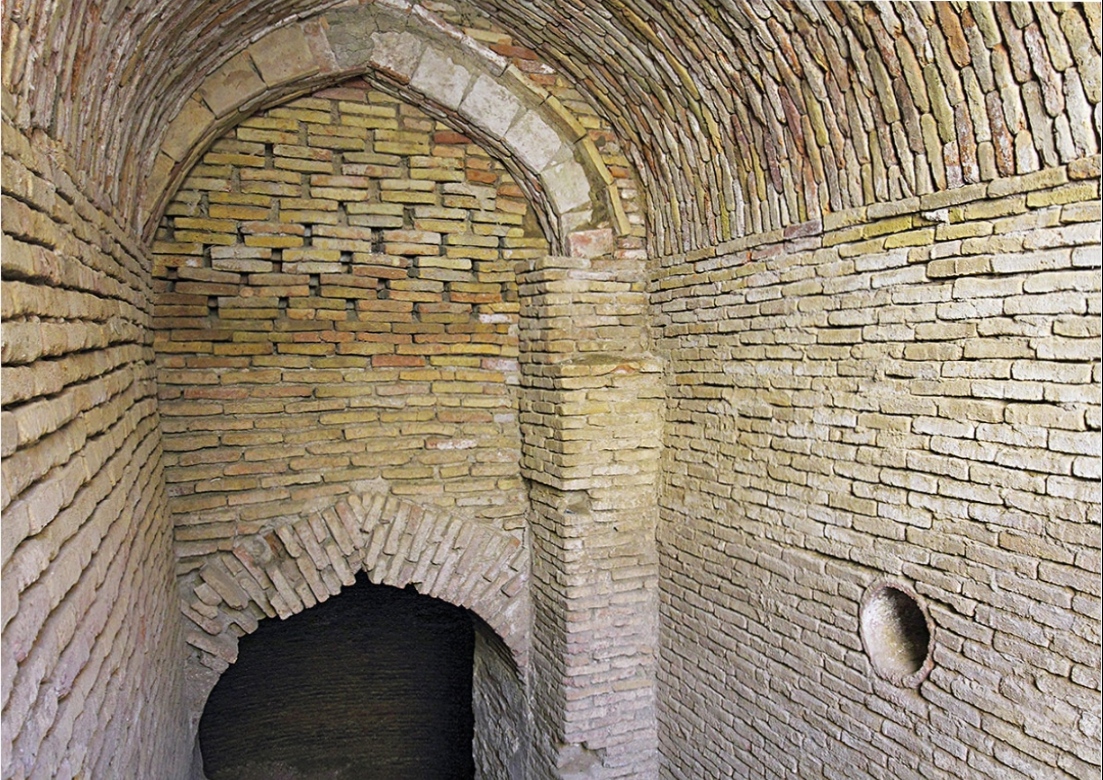
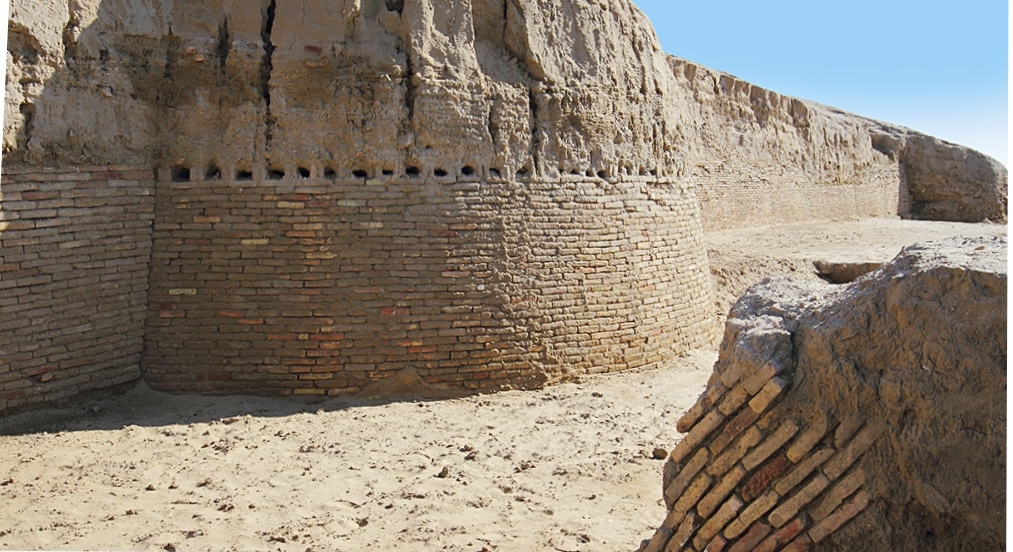
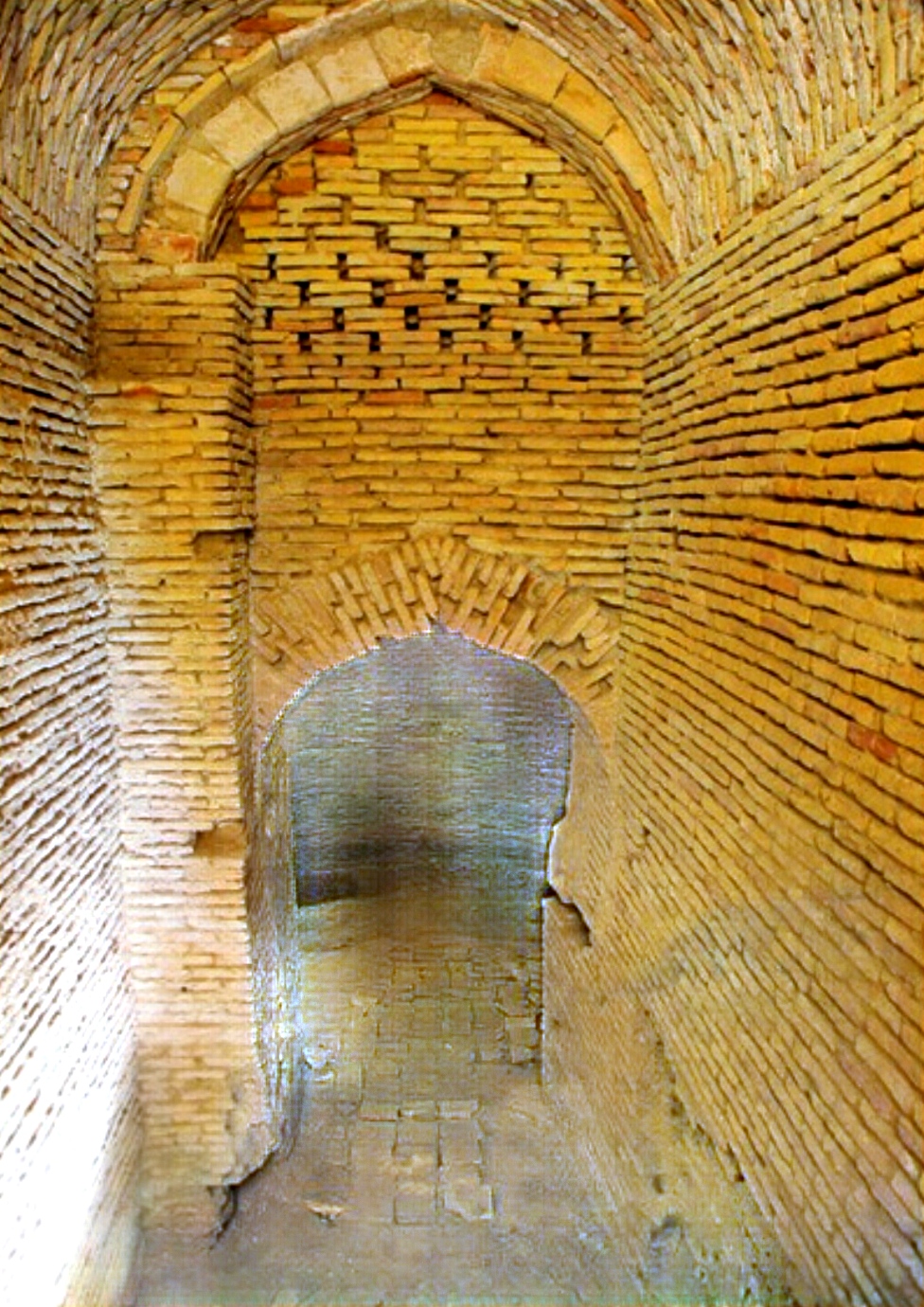
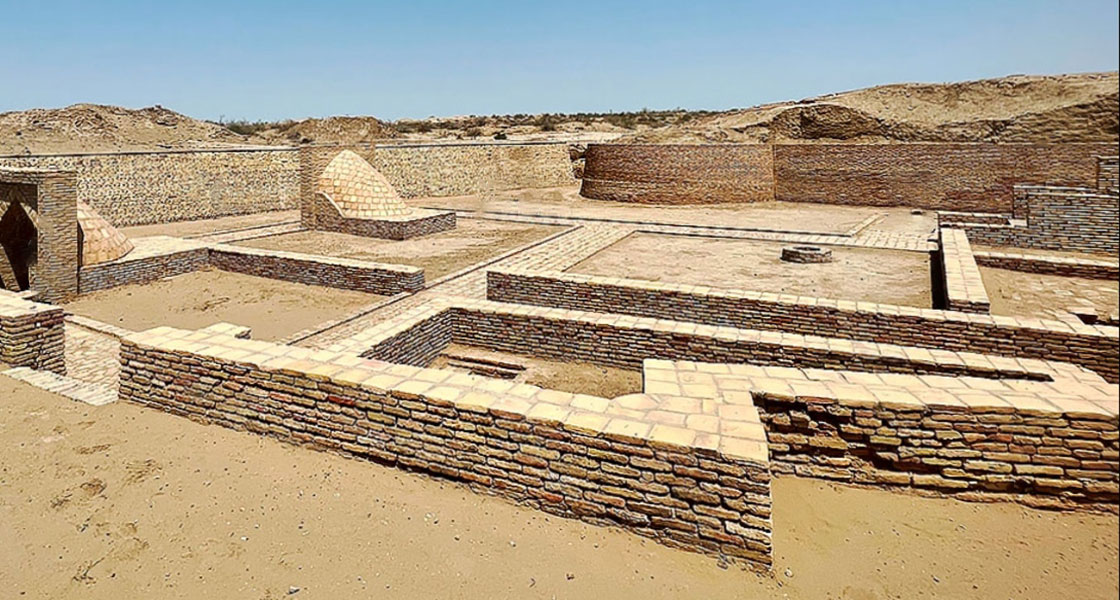
The first archaeological excavations took place in the 1930s, with further studies in the 1940s and 1960–70s. Since 2017, large-scale excavations by Turkmen archaeologists have revealed defensive walls, workshops, pottery kilns, and residential quarters. Special attention has been given to the city’s unique sardobas — ancient underground water reservoirs.
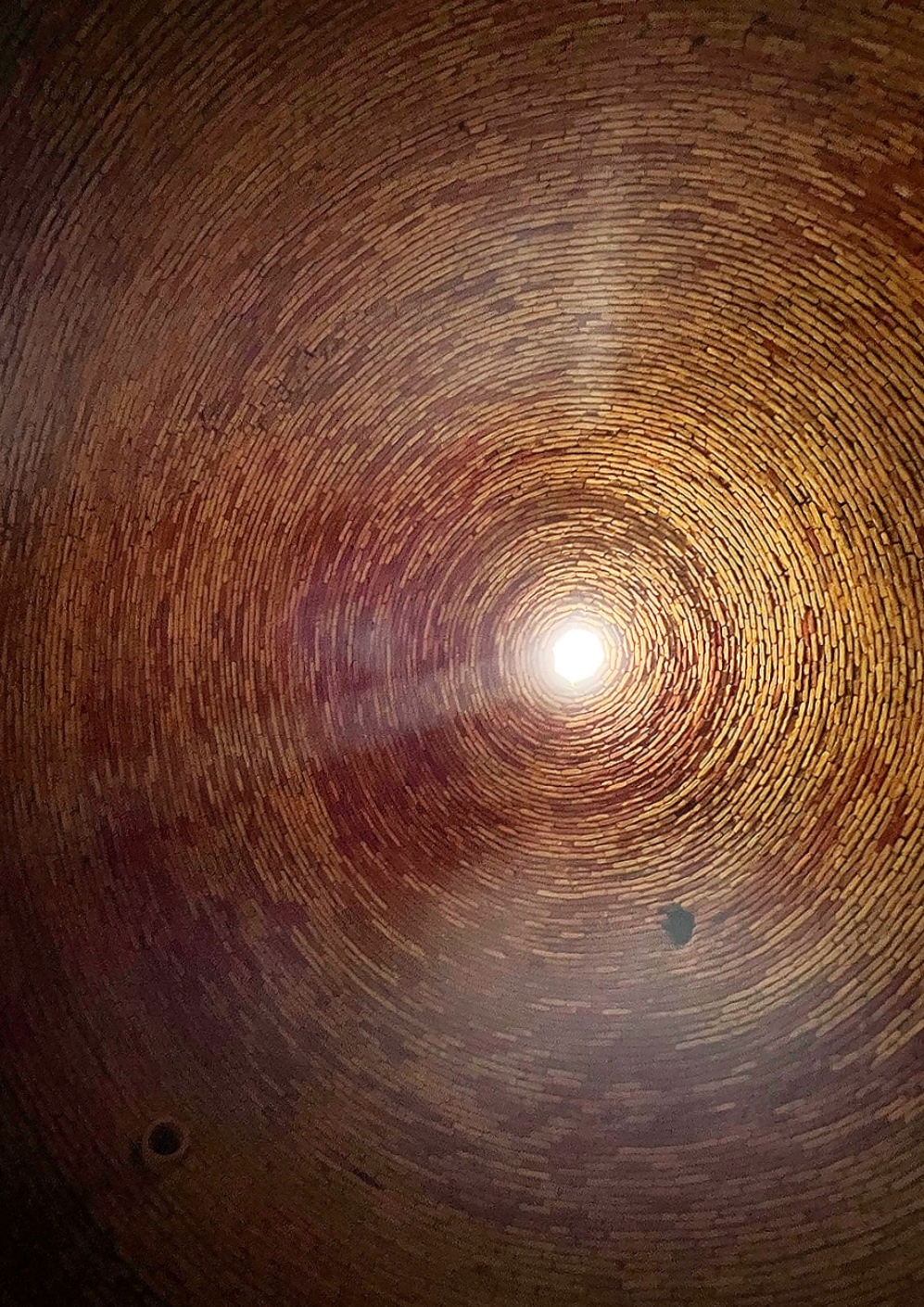
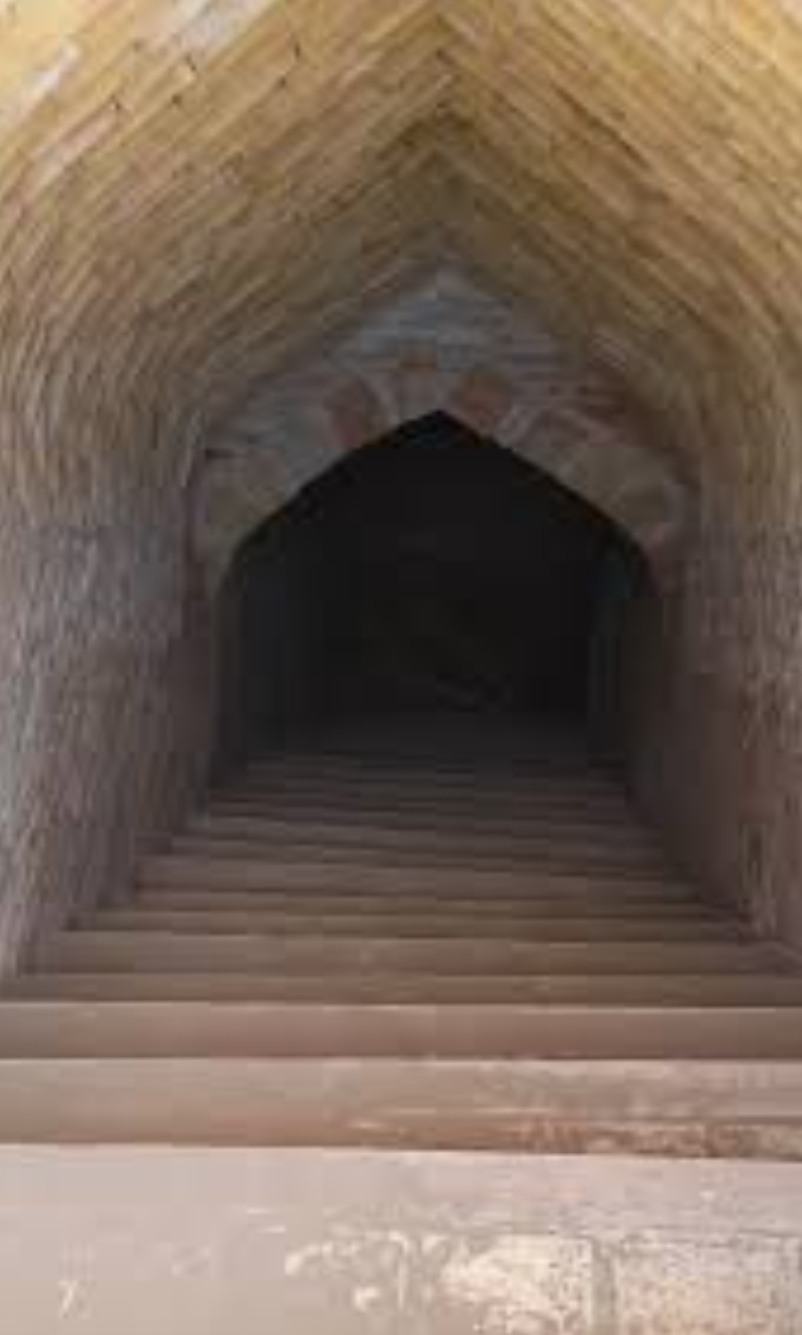
In 2023, one of Shahrislam’s medieval sardobas was fully restored, allowing visitors to see this rare architectural and engineering monument.
The site is being preserved and studied as part of Turkmenistan’s national heritage. Plans include the creation of an open-air archaeological park and inclusion of Shahrislam in the country’s official Silk Road tourism routes.
What to see today:
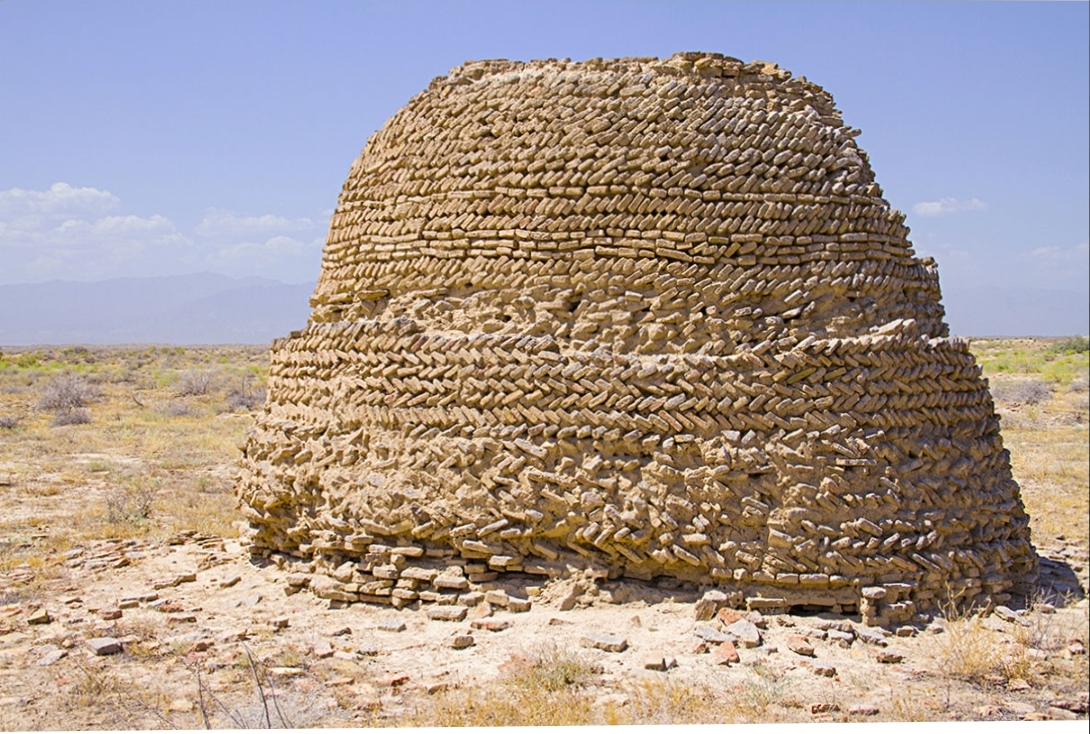
- remains of fortress walls and watchtowers;
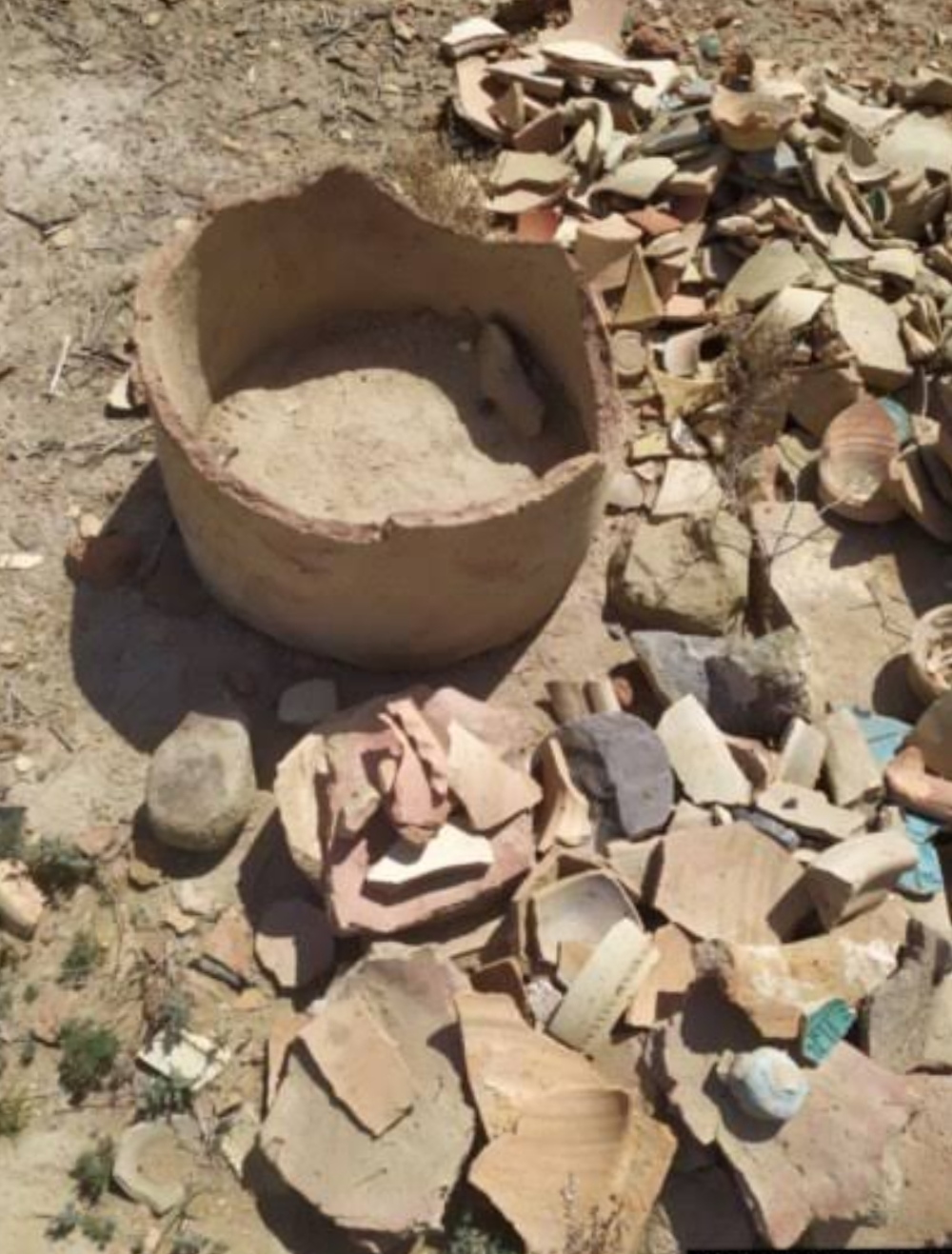
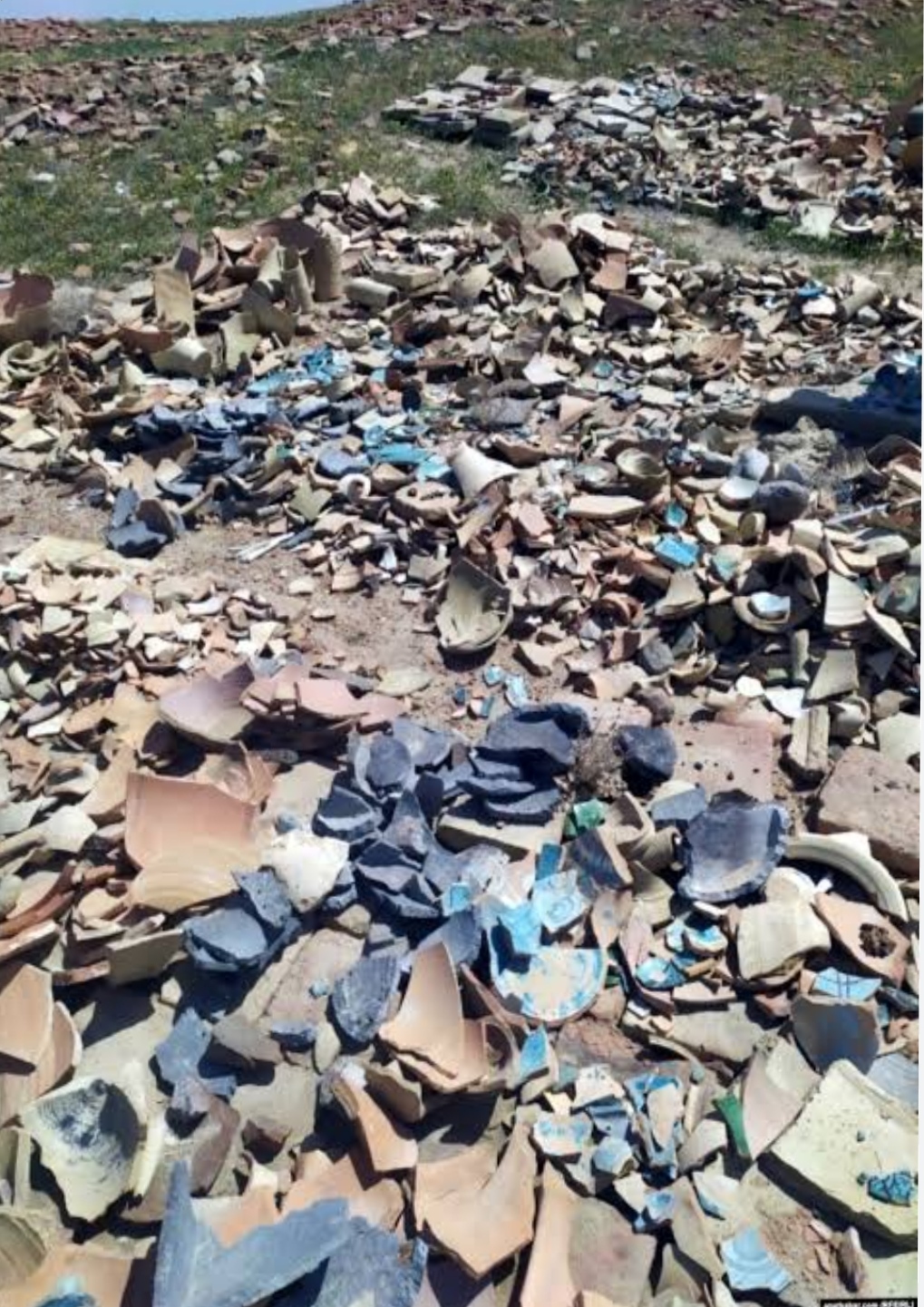
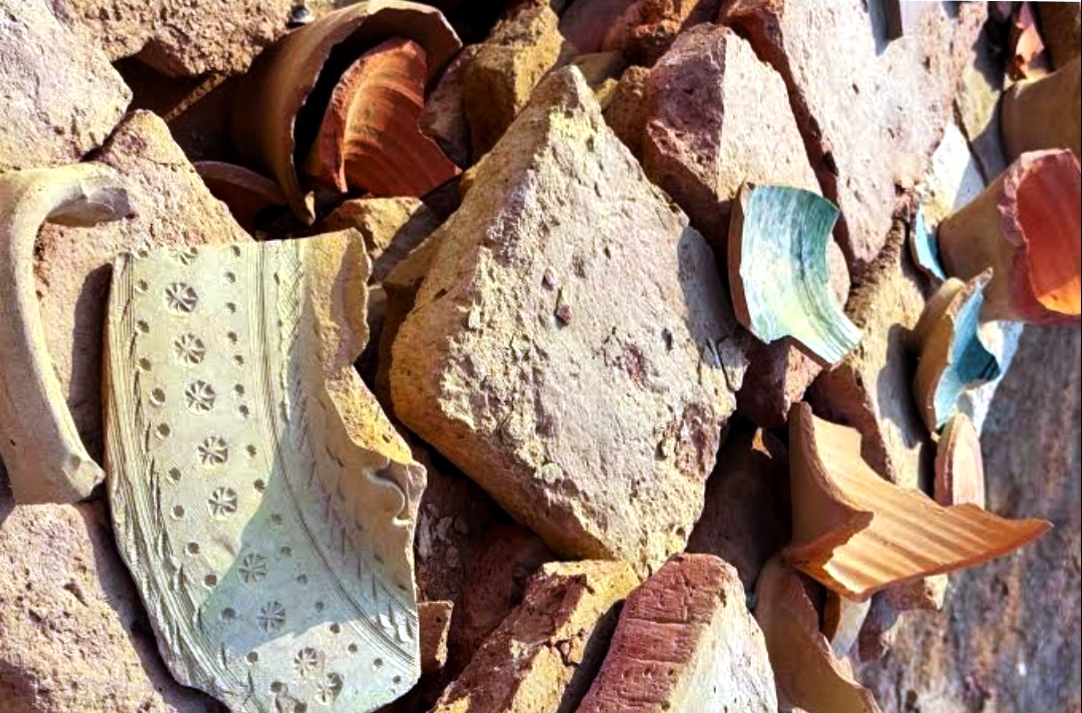
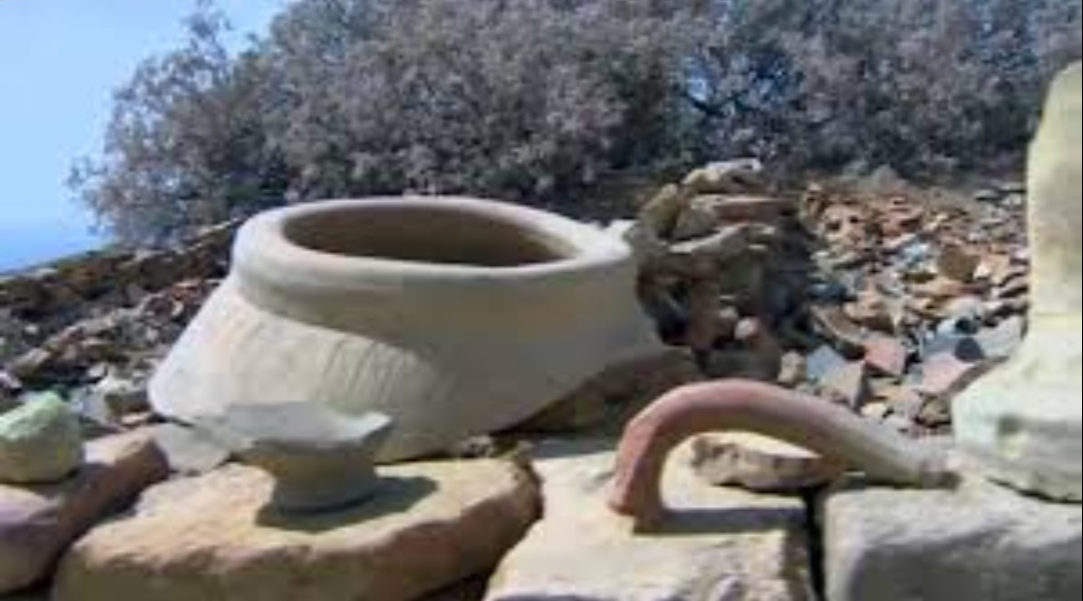
- ruins of pottery and craft workshops;
- ancient underground sardobas;
- traces of irrigation and water channels;
- scenic Kopetdag foothills.
Shahrislam brings to life the spirit of the Silk Road — a place where history, desert, and ancient architecture meet in timeless harmony.