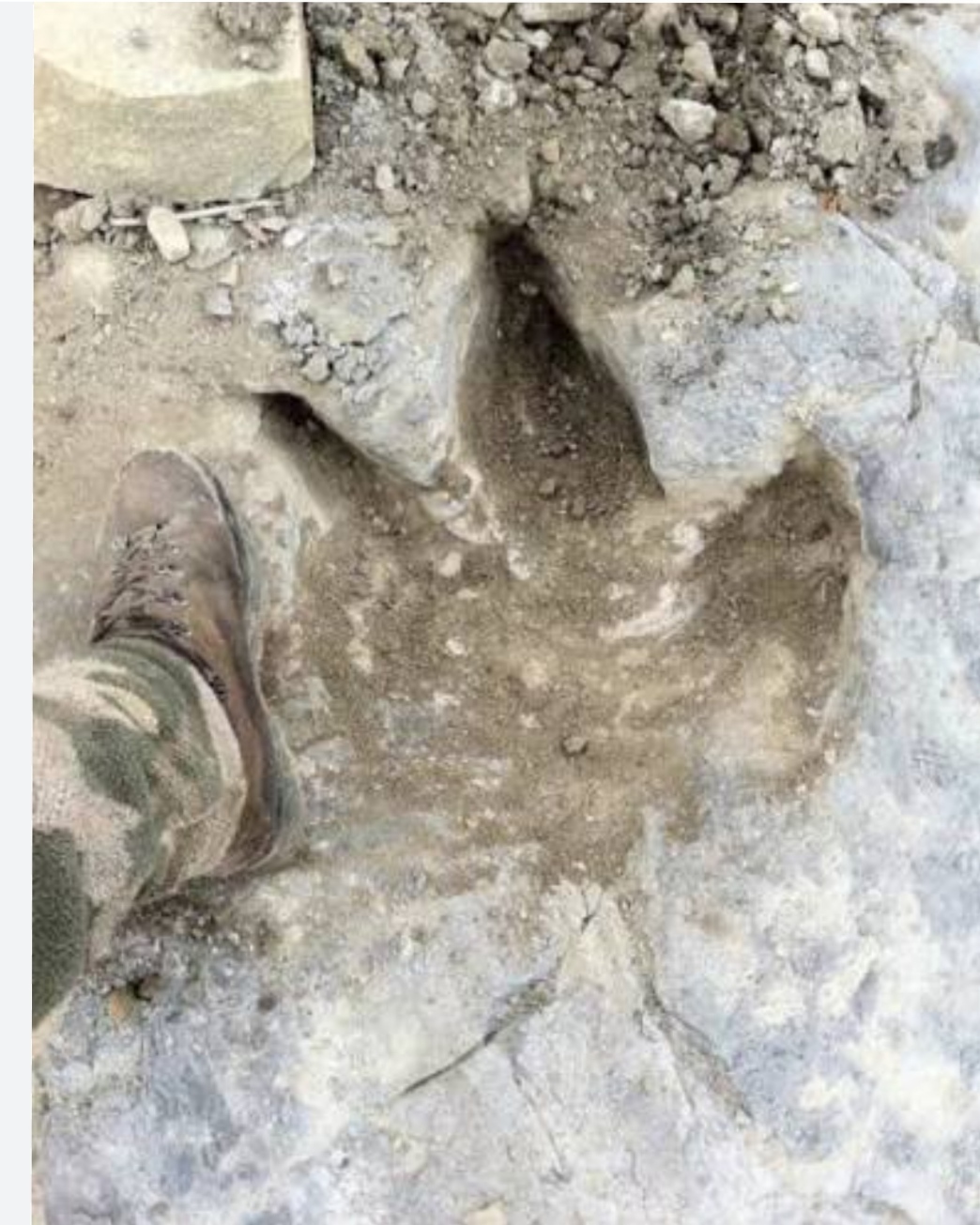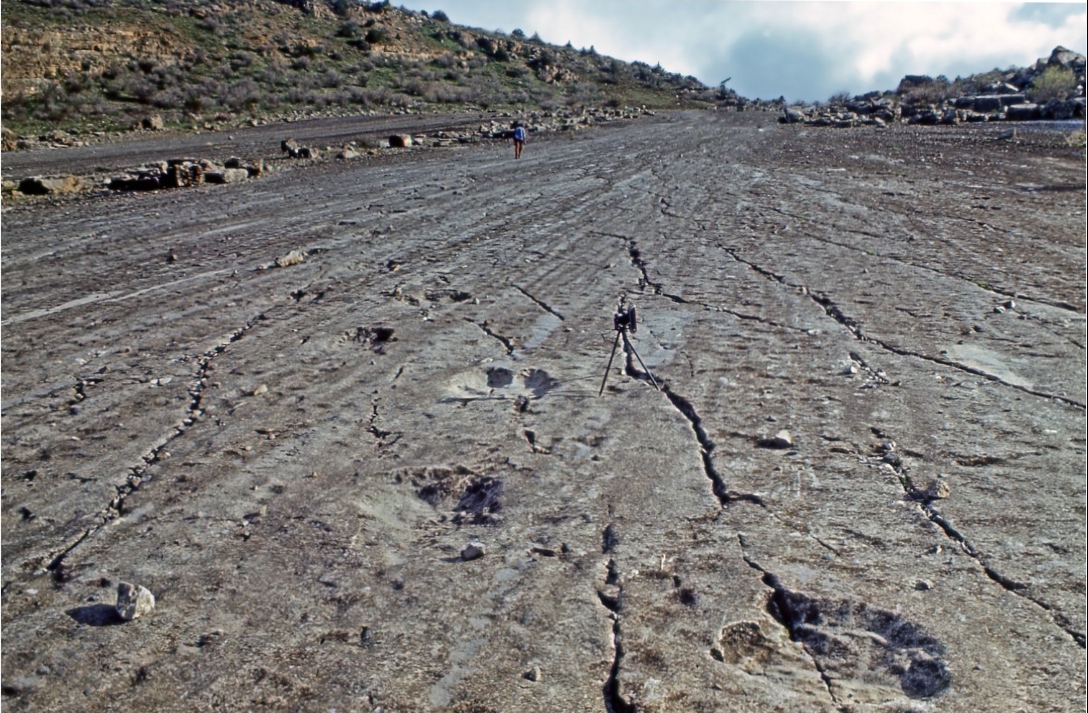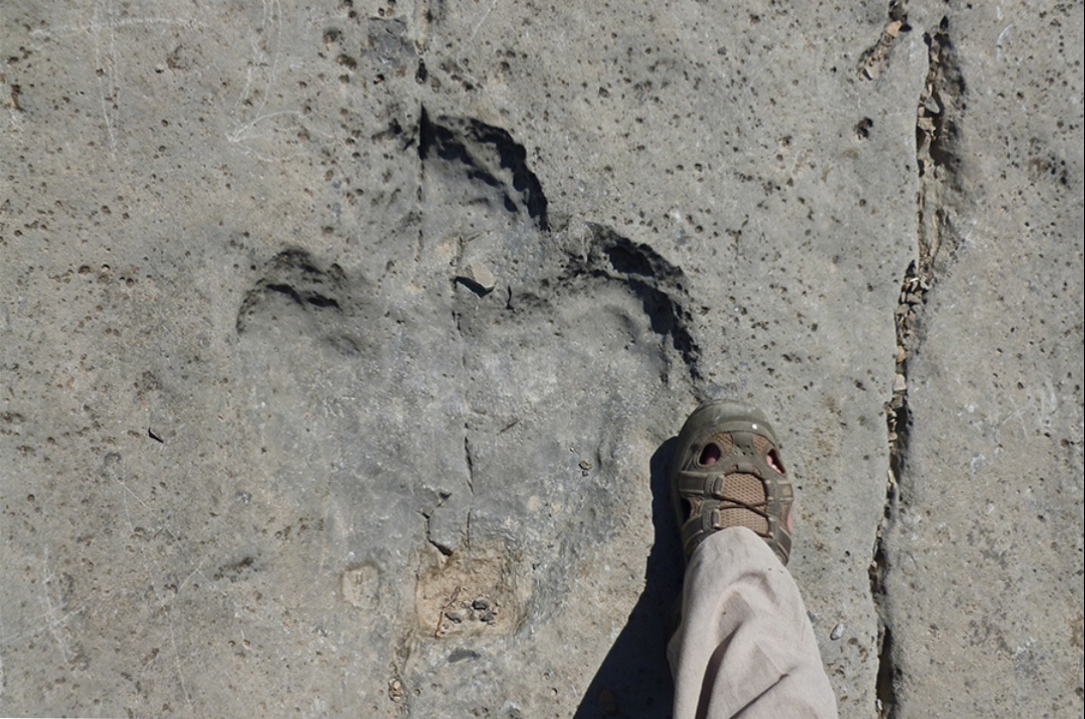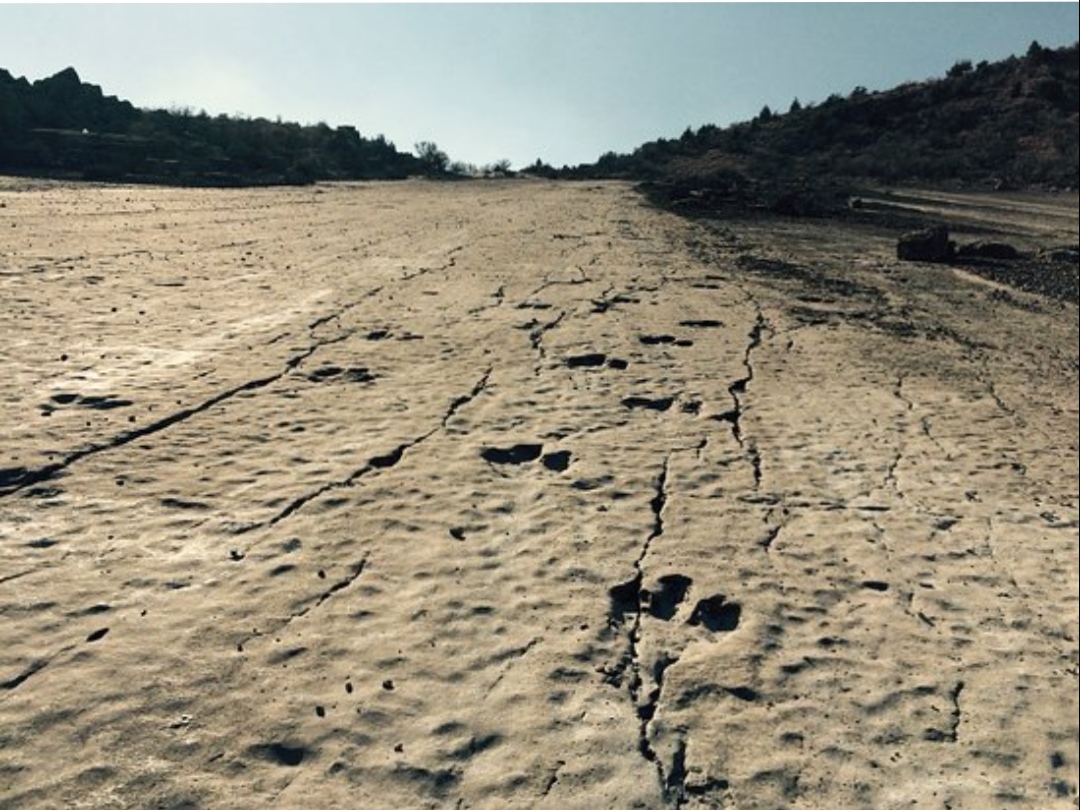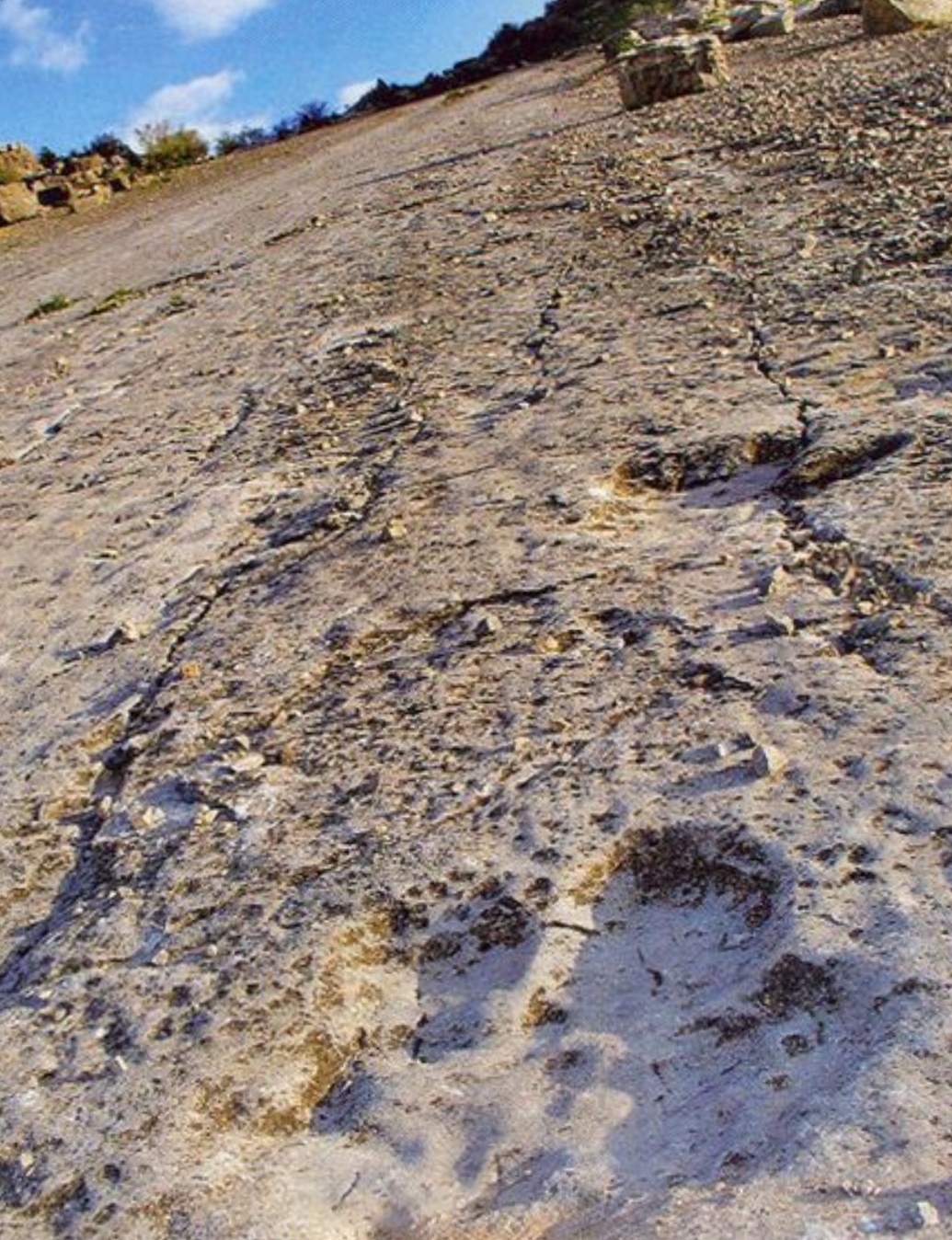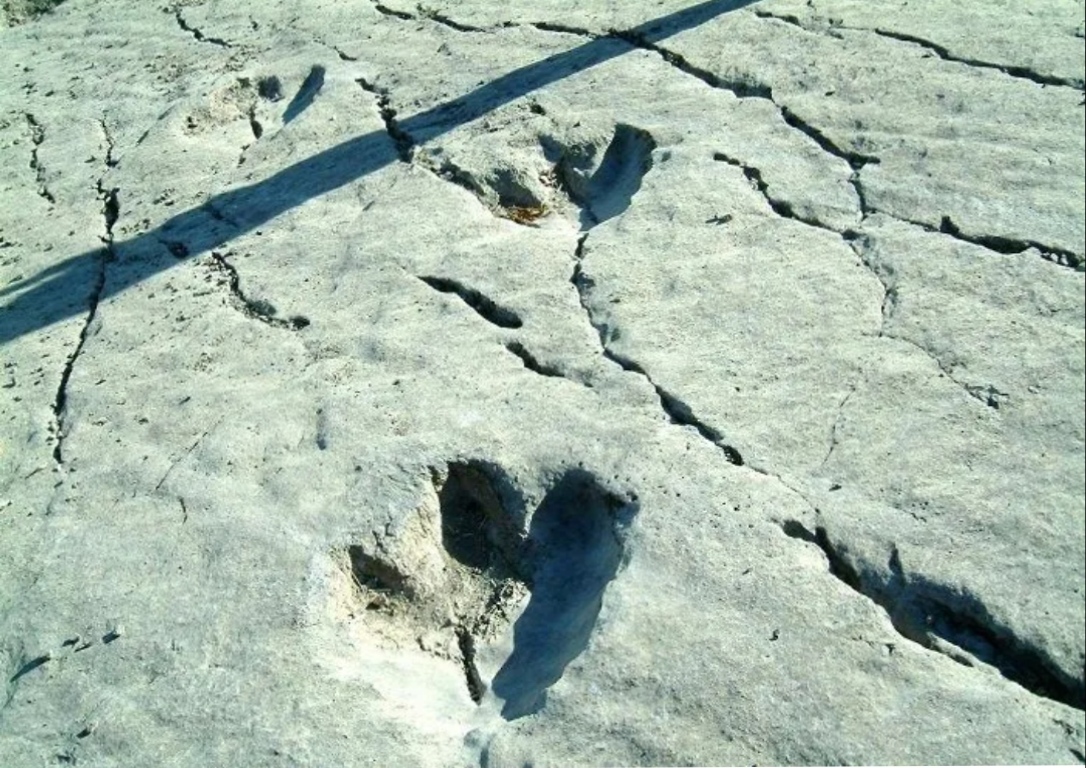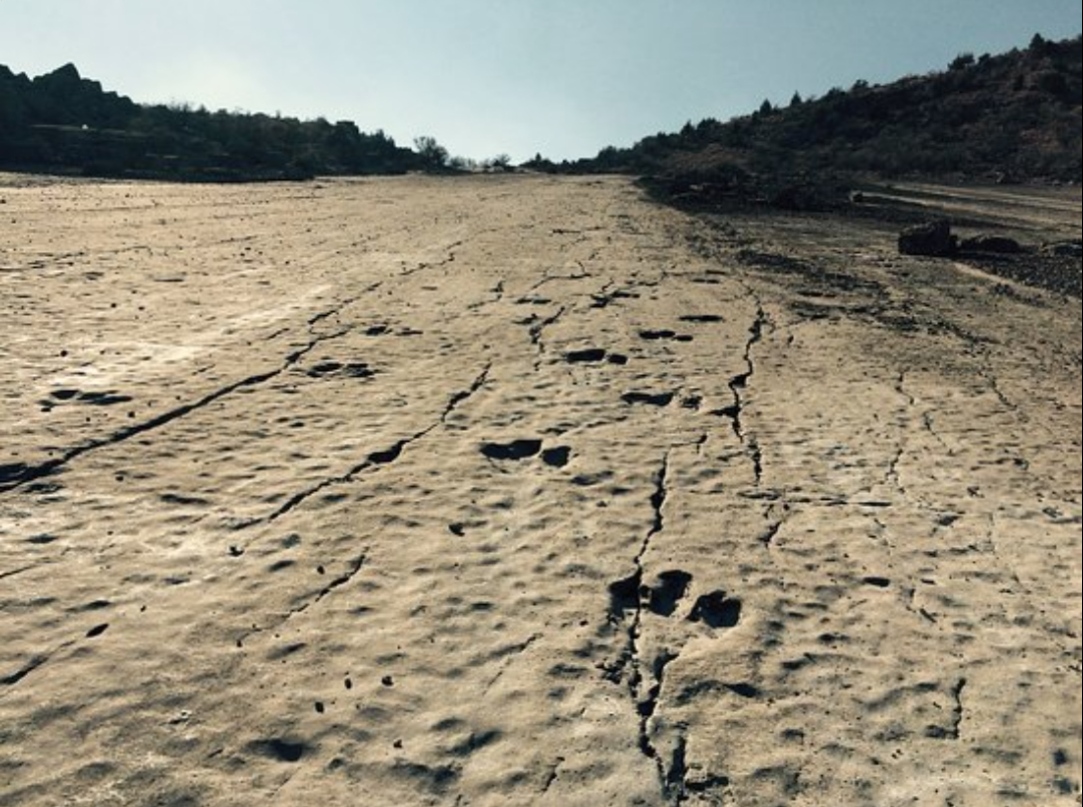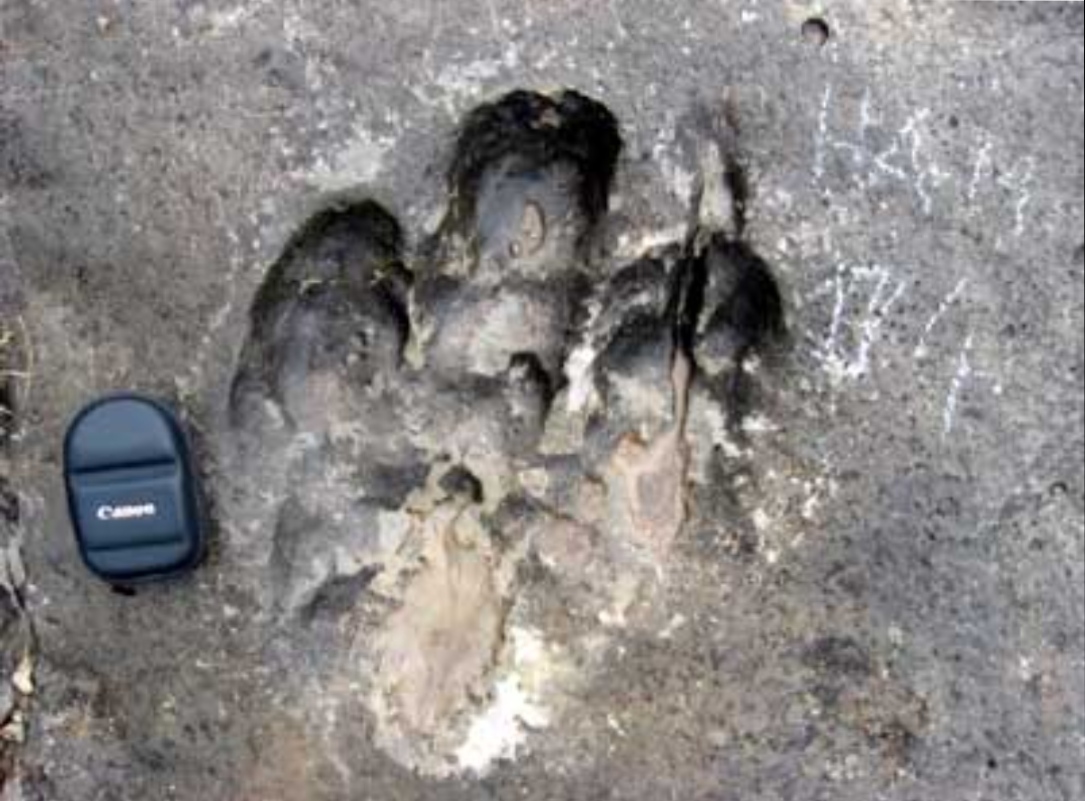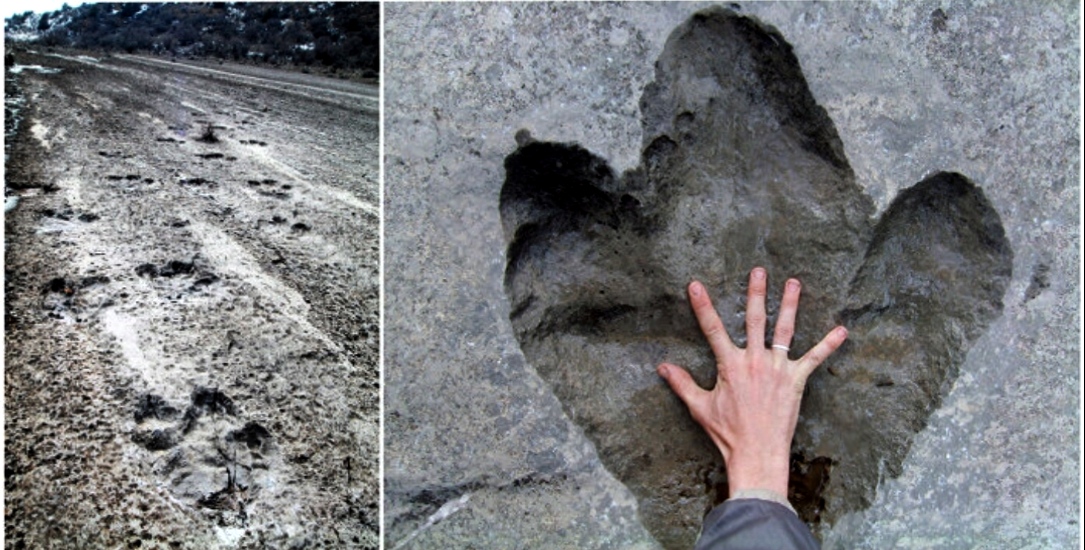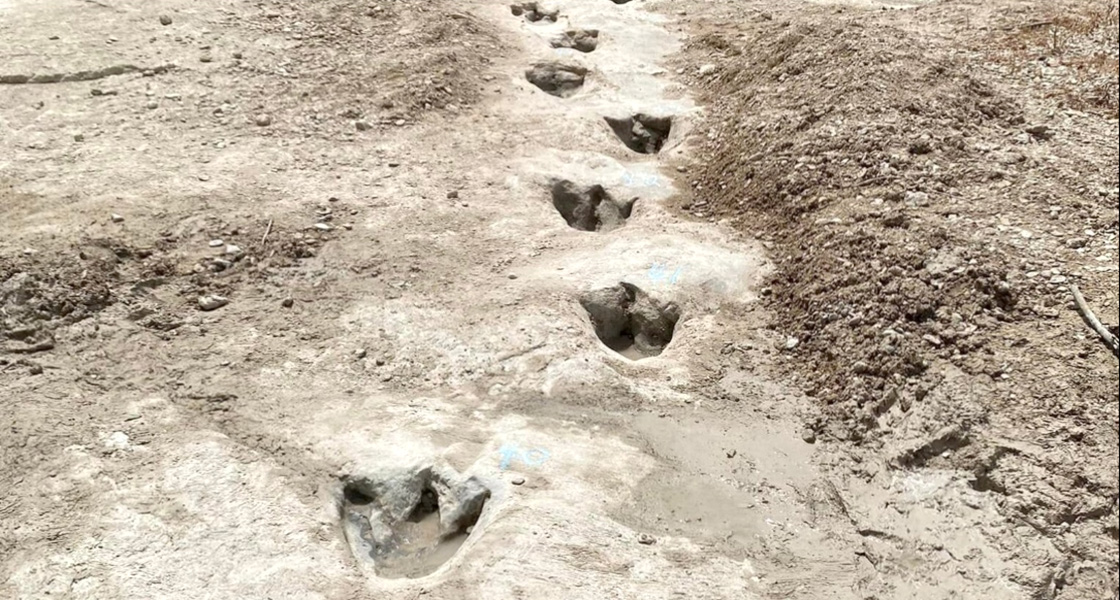
In the heart of eastern Turkmenistan, among the scenic Koytendag Mountains of the Lebap Region, lies one of the country’s most remarkable natural wonders — the Dinosaur Plateau (Khojapil). Here, time has stood still: on stones more than 150 million years old, you can still clearly see the footprints of ancient giants that once roamed these lands.
Where is it located?
From Turkmenabat, the capital of the Lebap Region, the Dinosaur Plateau is about 450 kilometers away.
The road passes through valleys, gorges, and mountain slopes, revealing breathtaking landscapes of eastern Turkmenistan. The final stretch is a true adventure — a narrow path leading uphill to a plateau with a stunning view.
The Magic of Ancient Times
On the mountain slope, you can see thousands of dinosaur footprints — from small three-toed tracks to massive prints up to 70 centimeters long.
These traces date back to the Late Jurassic Period (about 145–150 million years ago) when this region was covered by shallow seas and lagoons.
According to paleontologists, the tracks belong to several types of ancient reptiles:
Theropods — large carnivorous dinosaurs similar to megalosaurs, walking on two legs.
Ornithopods — herbivorous dinosaurs resembling iguanodons with broader footprints.
Possibly sauropods — gigantic longnecked dinosaurs weighing many tons.
As the sun sets, the stone glows golden, and it seems as if the ancient creatures’ footsteps come alive again — a silent reminder of Earth’s distant past.
For True Travelers
A trip to the Dinosaur Plateau is more than an excursion — it’s a journey through time, where you can touch millions of years of natural history and feel the spirit of ancient Earth.