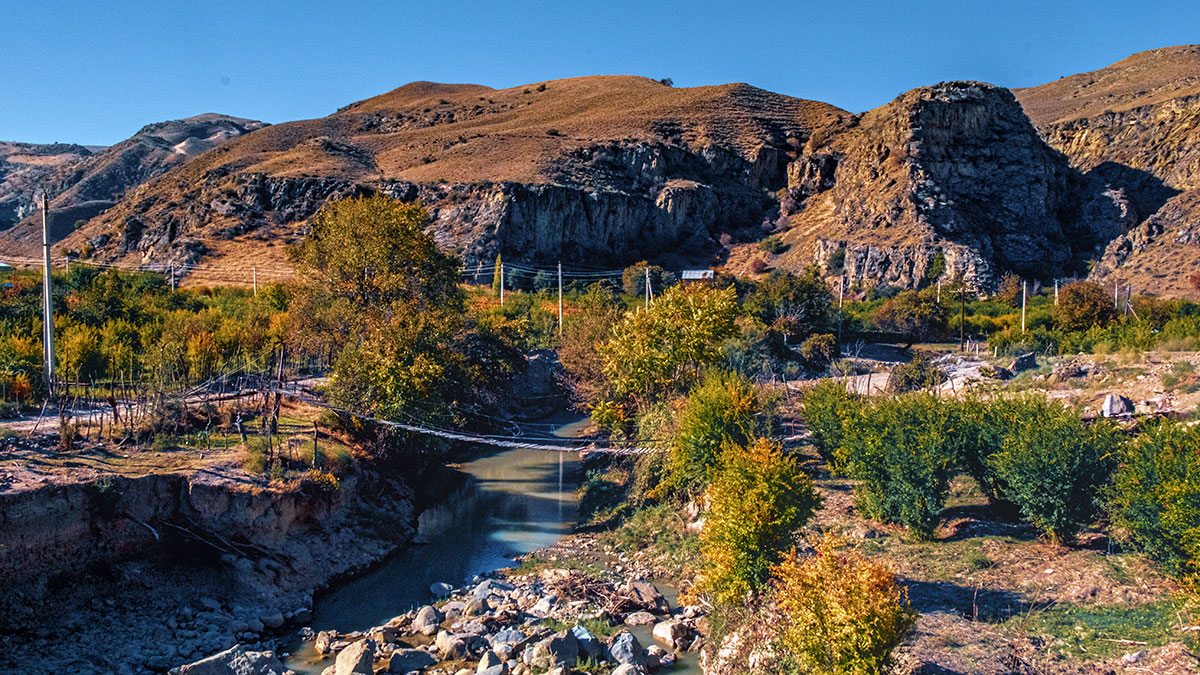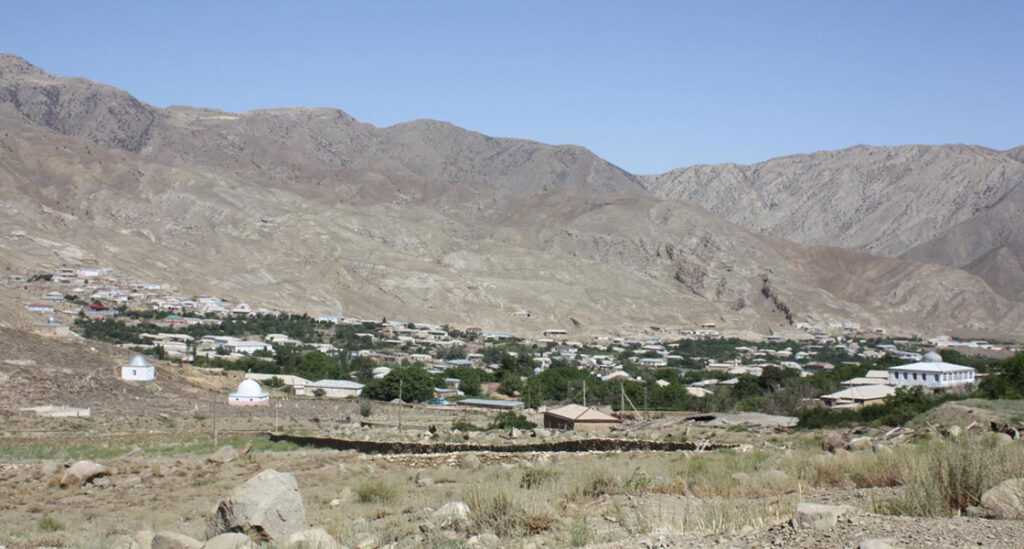
 Nohur is steeped in legend. One story claims that Noah’s Ark came to rest on a nearby mountain, and from here, life spread across the land. Another tale says that the villagers are descendants of Alexander the Great’s soldiers, Which they explain through their light eyes, fair skin, and even red hair. Whether myth or truth, these stories have shaped Nohur’s unique place in Turkmenistan’s history.
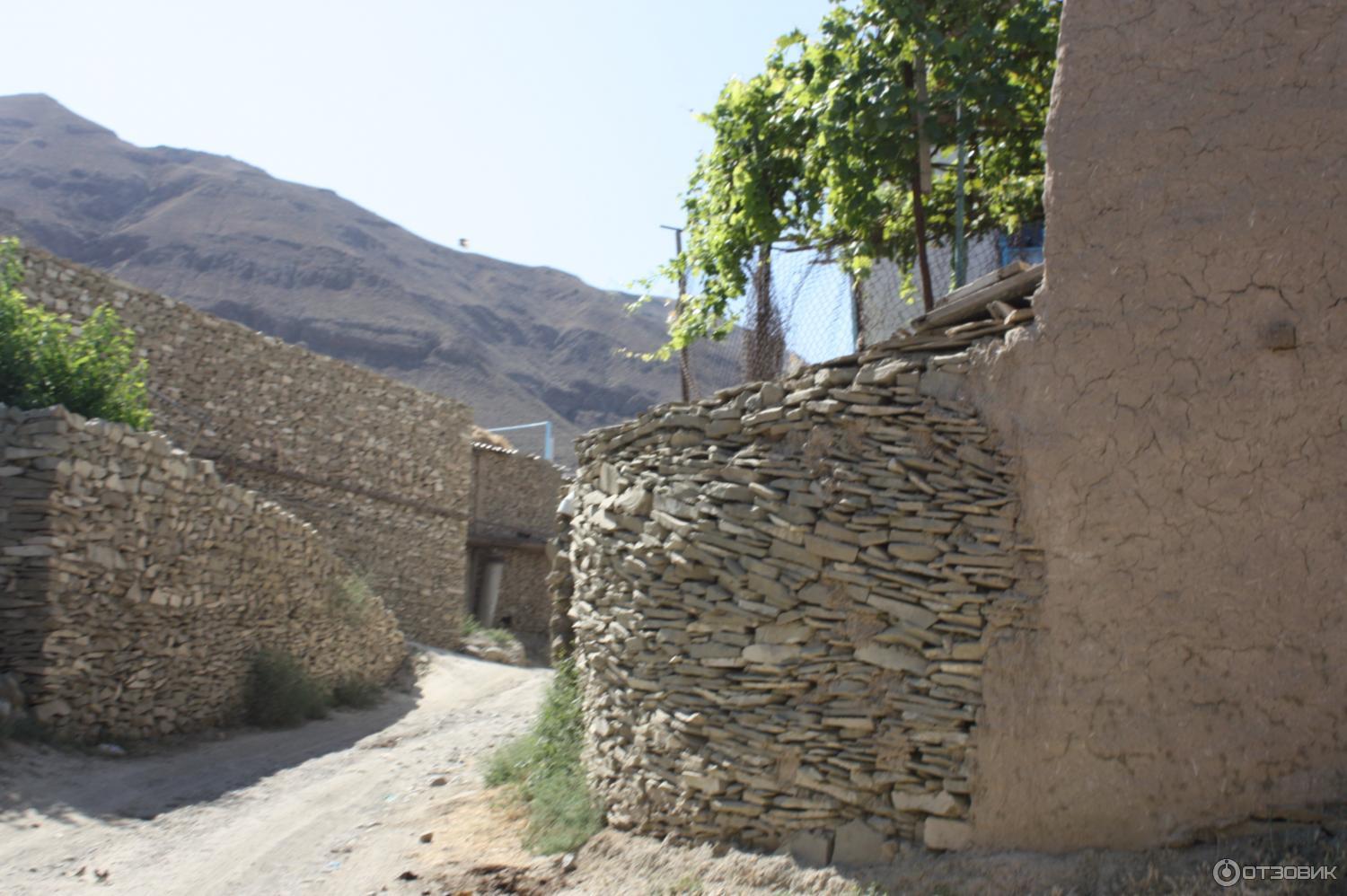
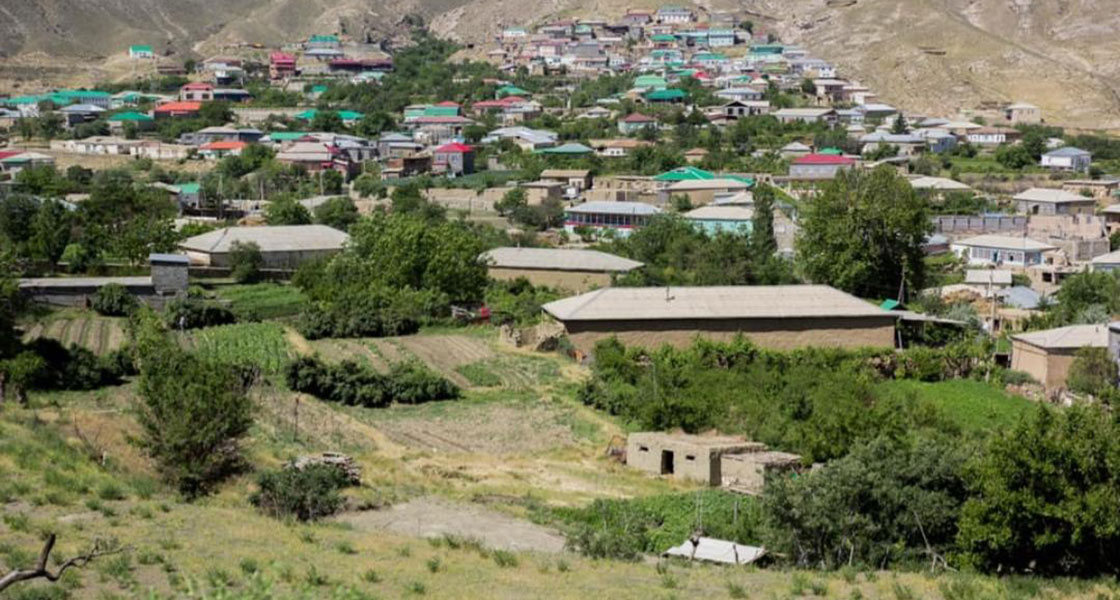 The architecture of Nohur is as distinctive as its legends. Houses are built from rounded river stones, often two or three stories high, with wooden verandas that look out over the valleys. The narrow lanes between them are quiet, broken only by the sound of water flowing from mountain springs. It’s a village where time moves slowly, and tradition is part of every detail.
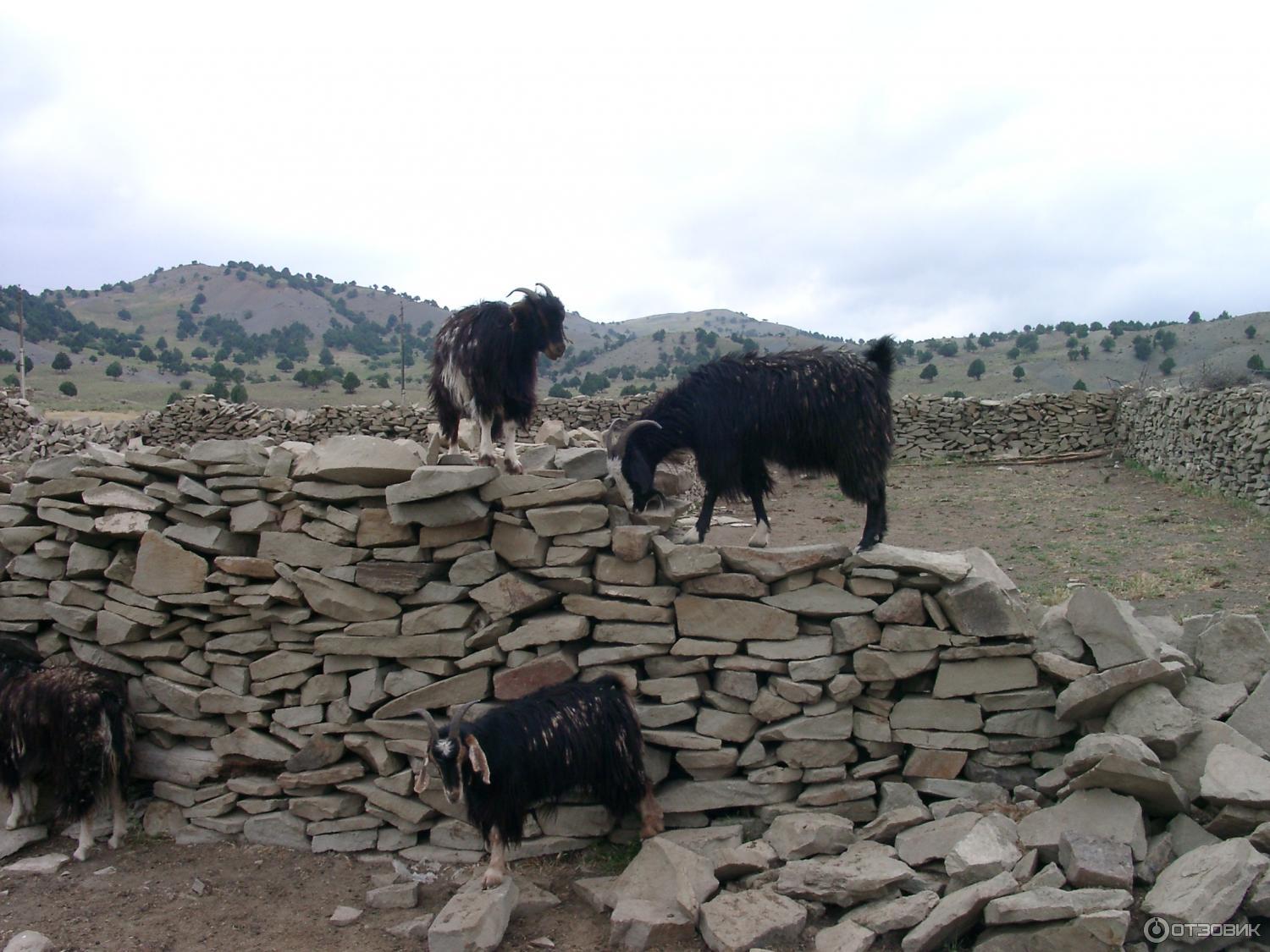
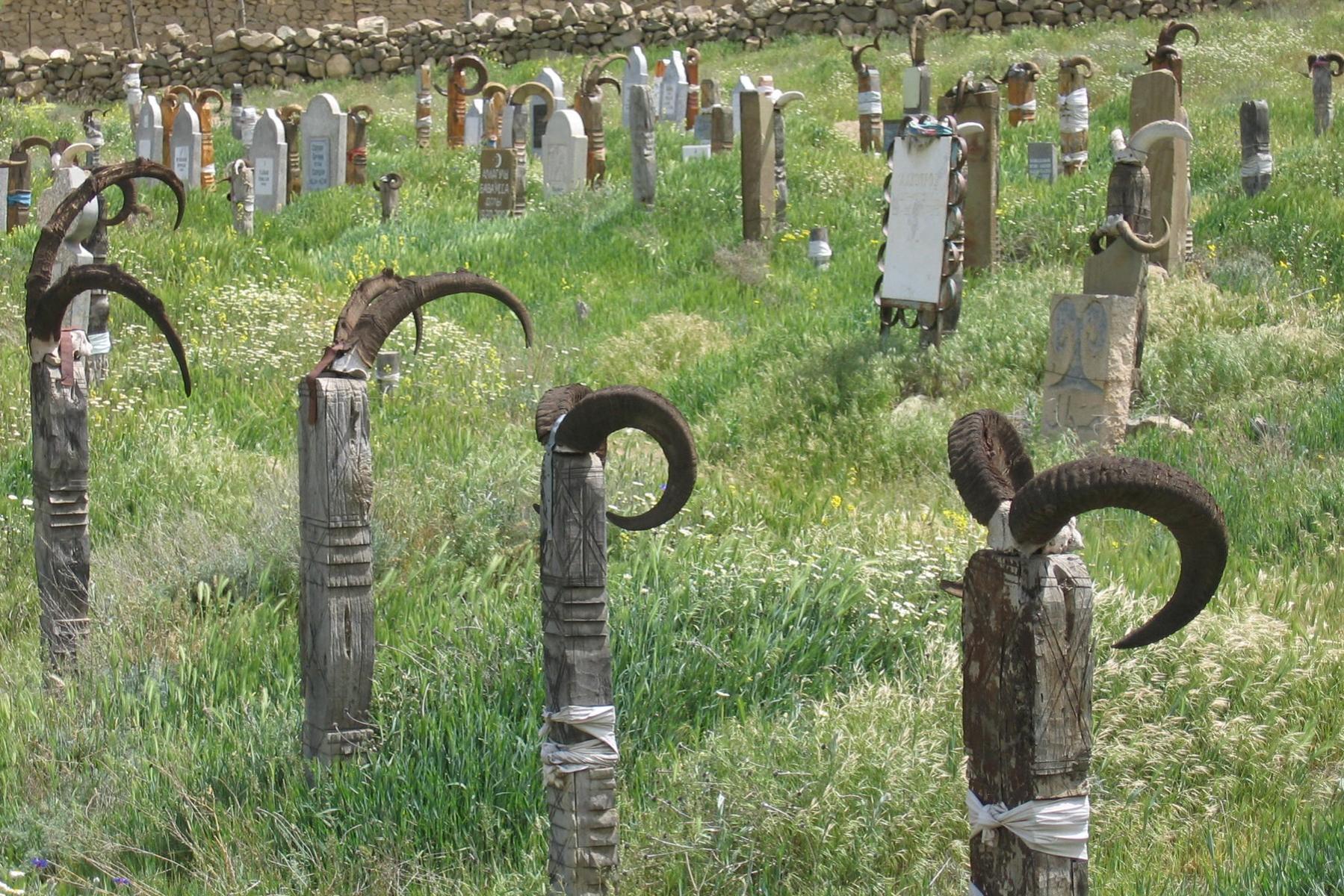 Perhaps the most striking site in Nohur is its ancient cemetery. Here, each grave is marked not only with stone but also with the horns of mountain goats. These horns are said to protect the spirits of the dead and symbolize strength. Walking among them feels like stepping into a world where history, belief, and nature are bound together.
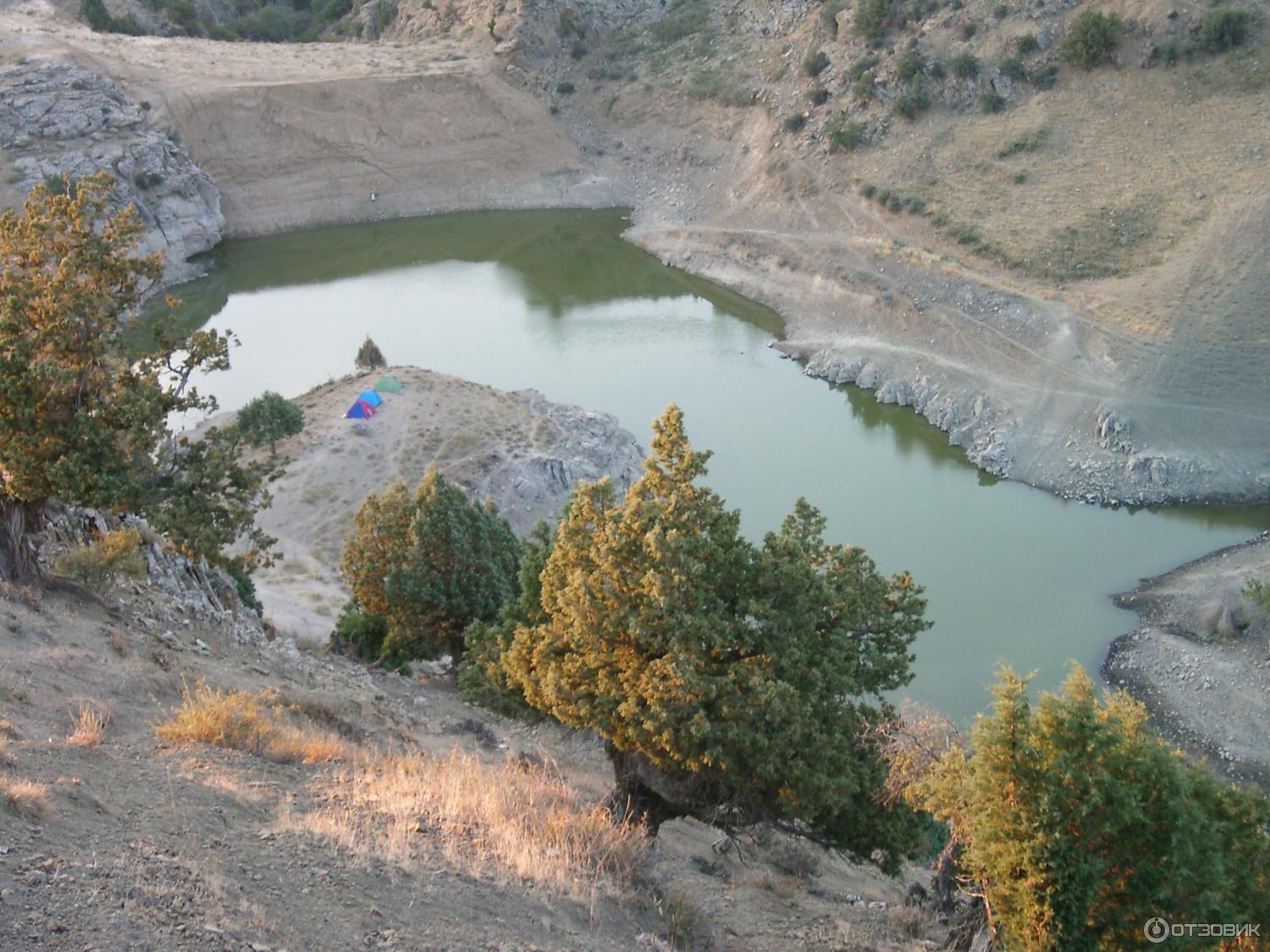
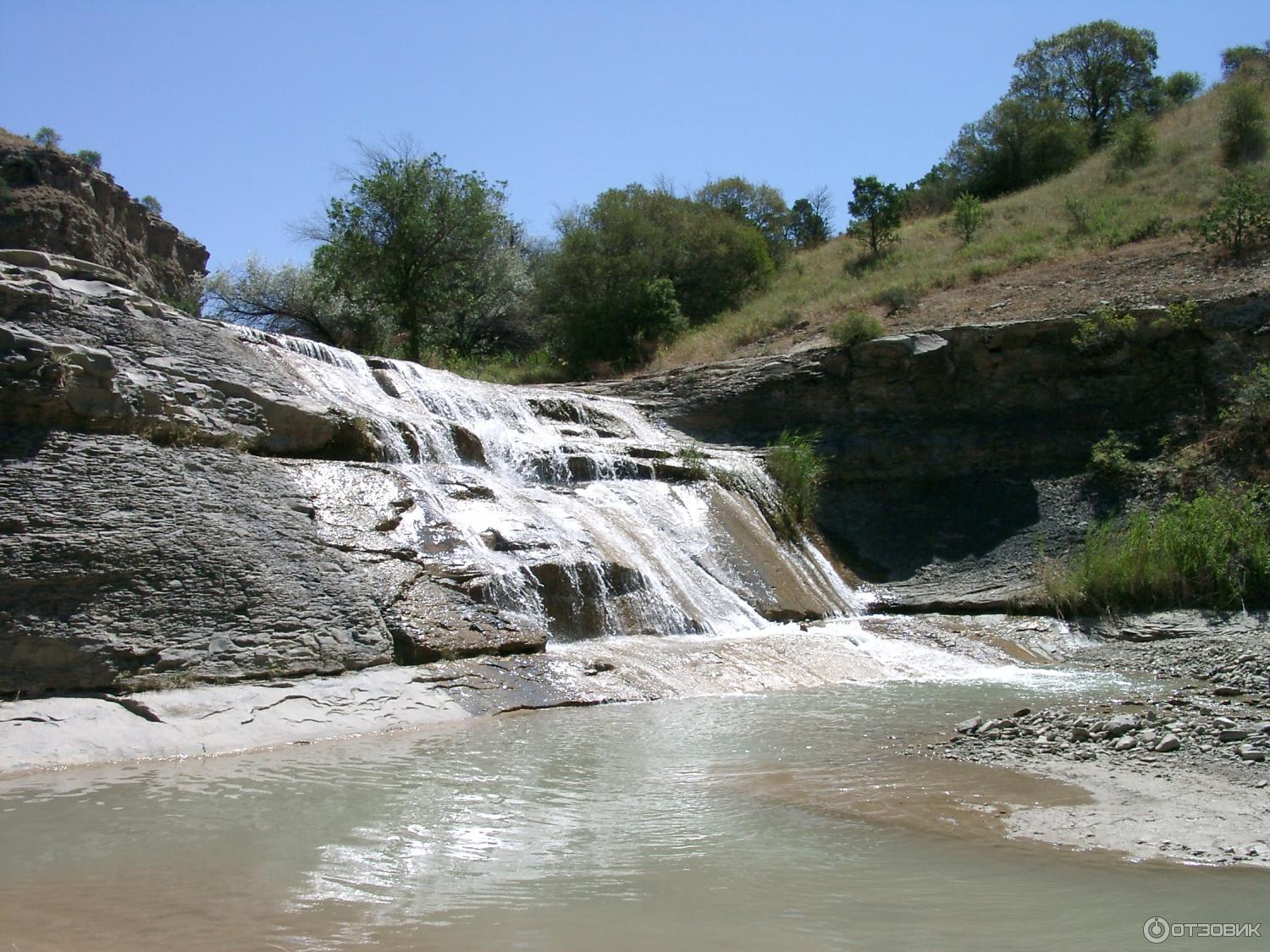
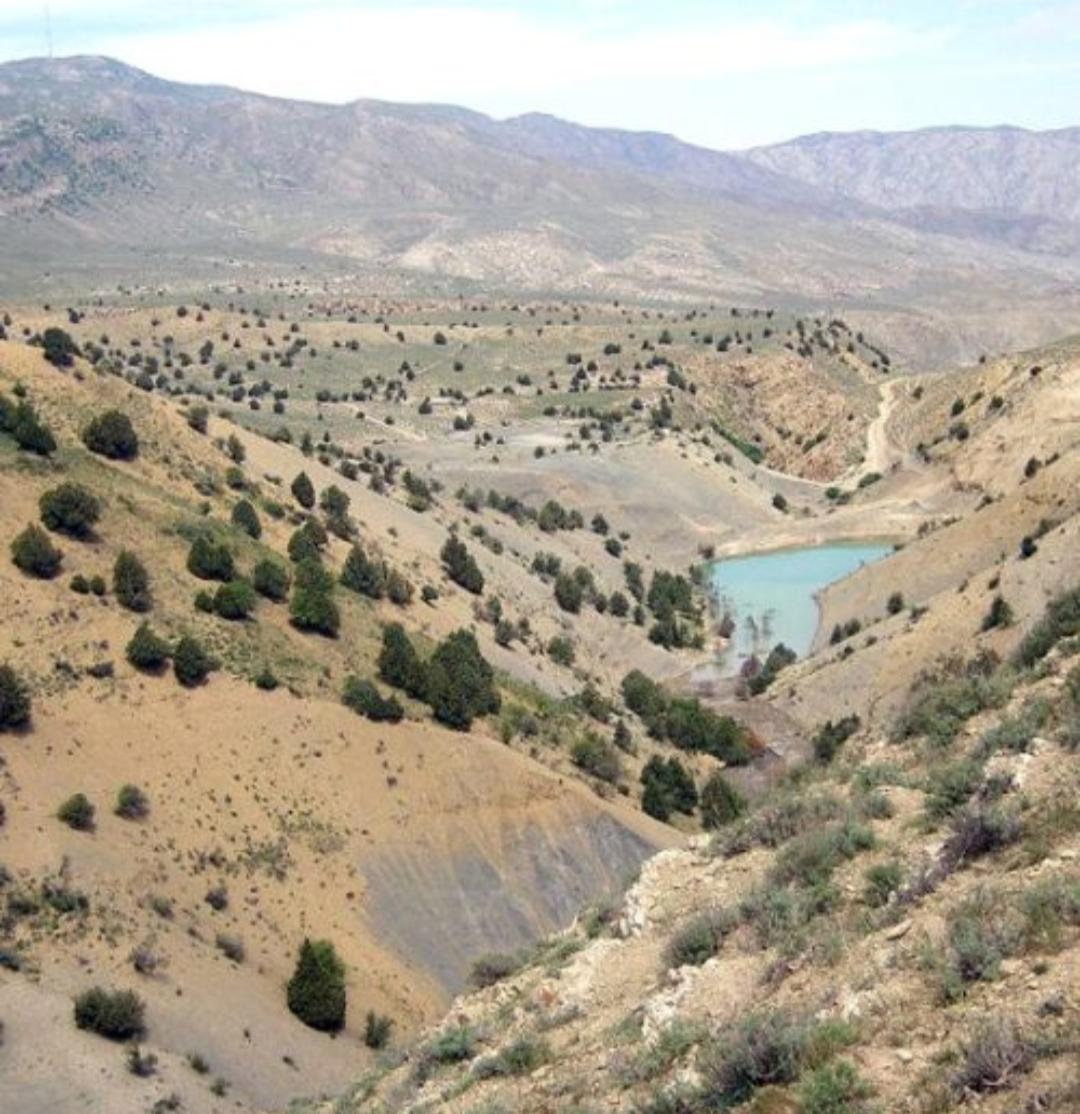
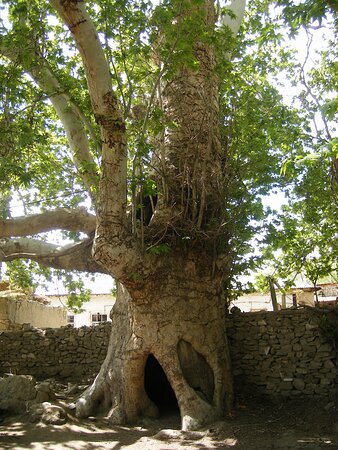 Beyond the village, the landscape is dotted with wonders—a 53-meter waterfall, the mysterious “Dev’s house” cave, the sacred Giz-bibi fissure, And even a centuries-old maple tree with a hollow large enough for several people to sit inside. Together, these natural and cultural treasures make Nohur a rare and beautiful corner of Turkmenistan.
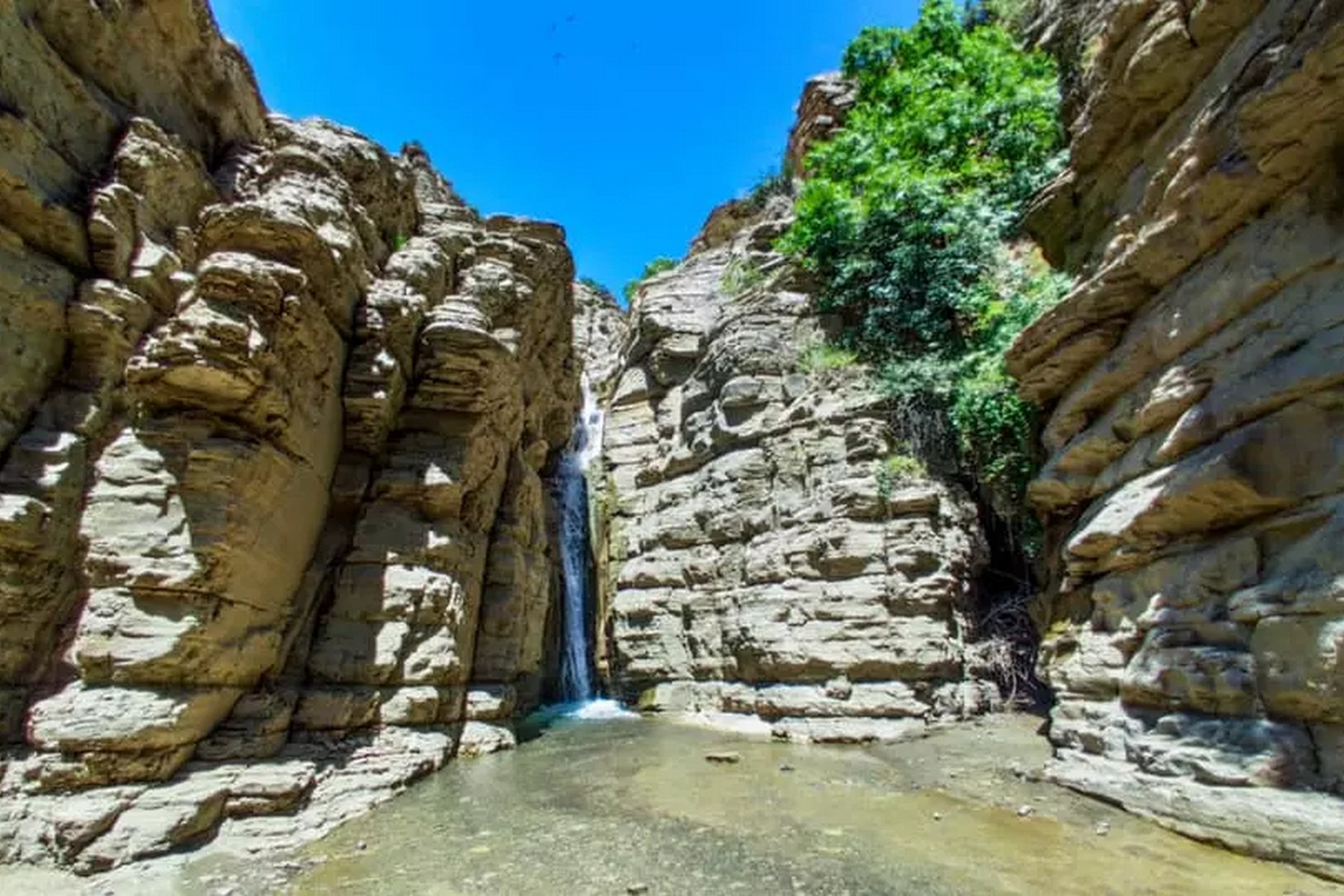 One of the natural wonders in Nokhur is the Khur-khuri waterfall, Which cascades down from a height of 53 meters, fed by several small mountain streams.