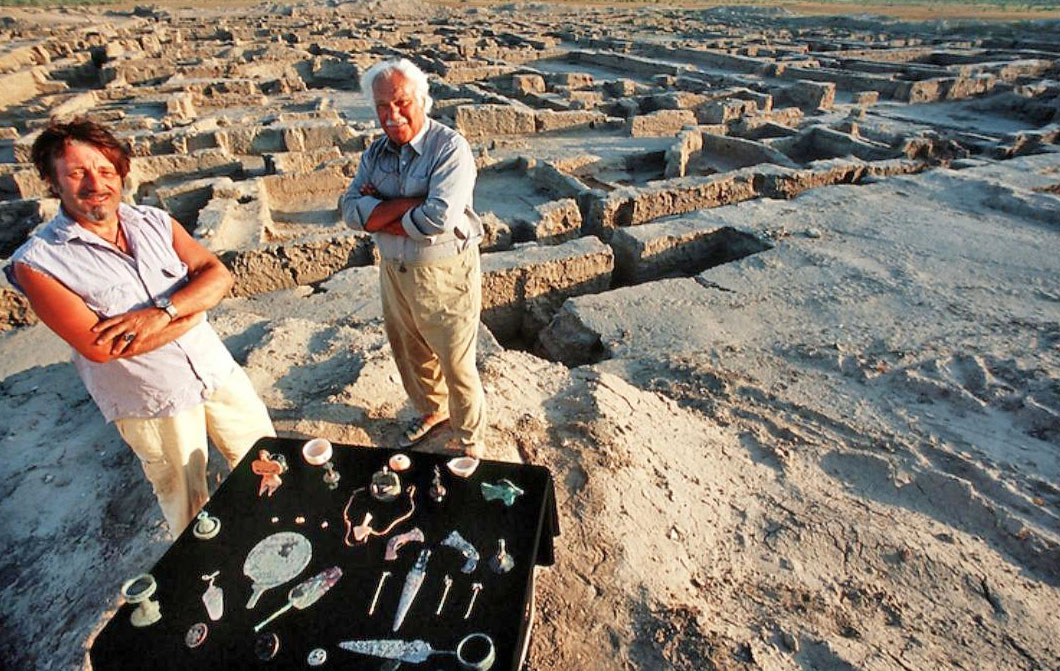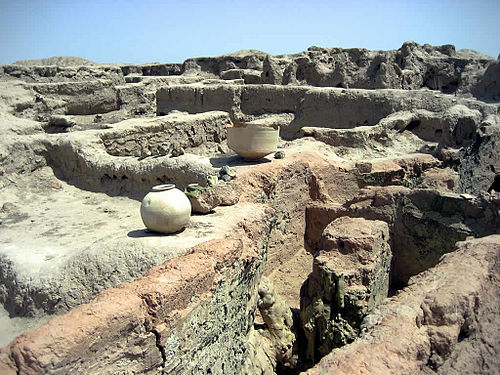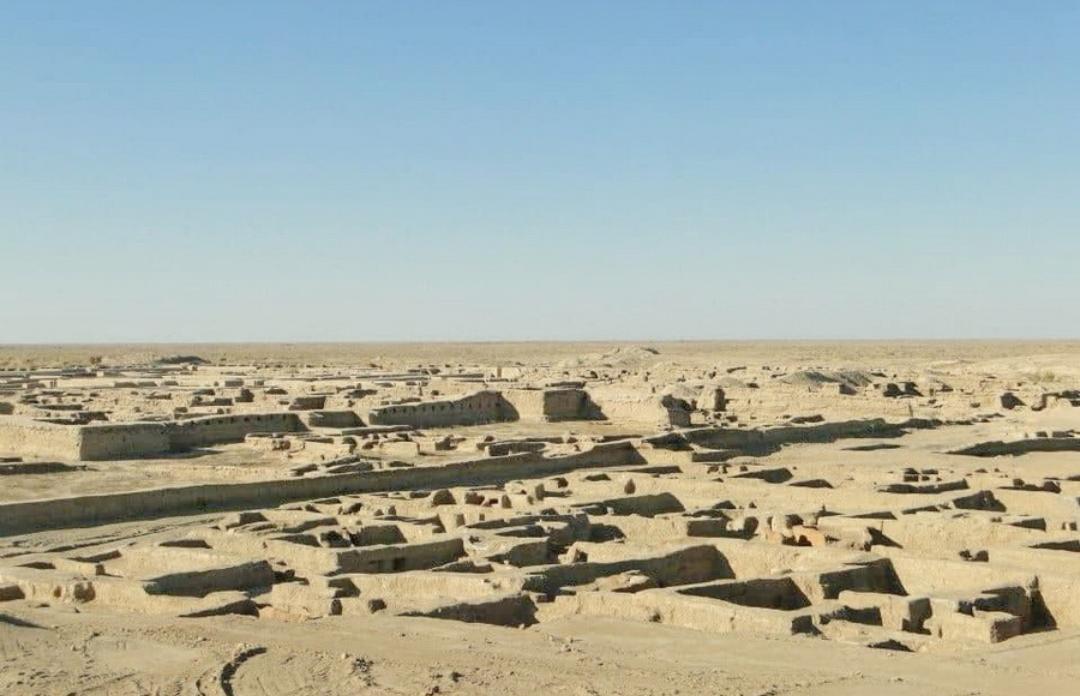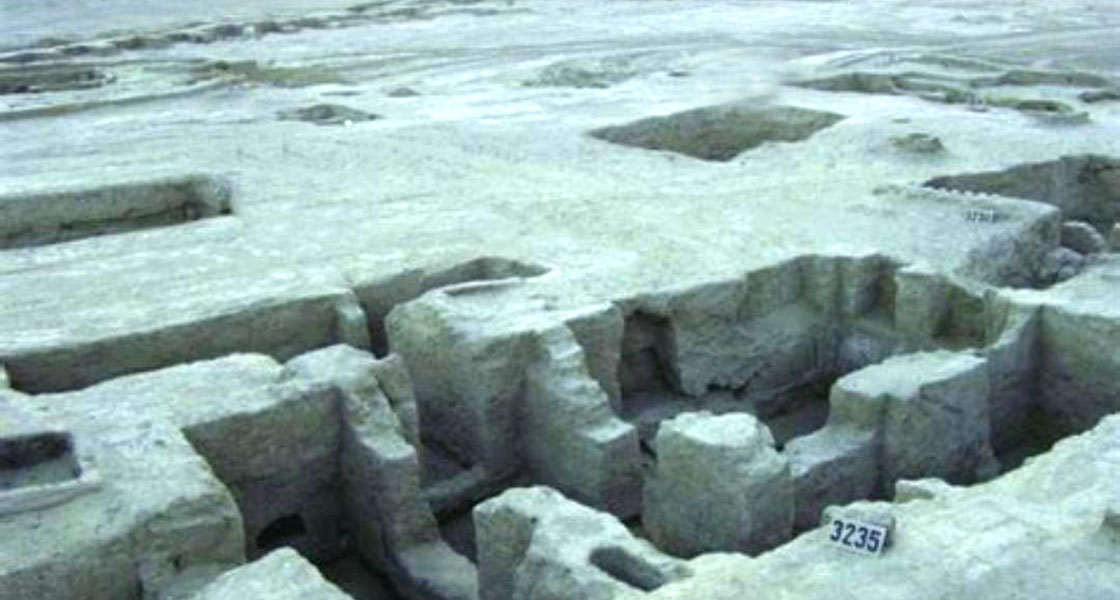
Gonur depe, meaning “grey hill” in turkmen, is one of the most significant archaeological sites in Turkmenistan. Located about 60 kilometers north of Mary, it was the heart of the Bactria–Margiana Archaeological Complex (BMAC) During the bronze age, between roughly 2400 and 1600 BCE. This vast settlement was the political, religious, and cultural center of the Margiana civilization, flourishing in what is now the Karakum desert.
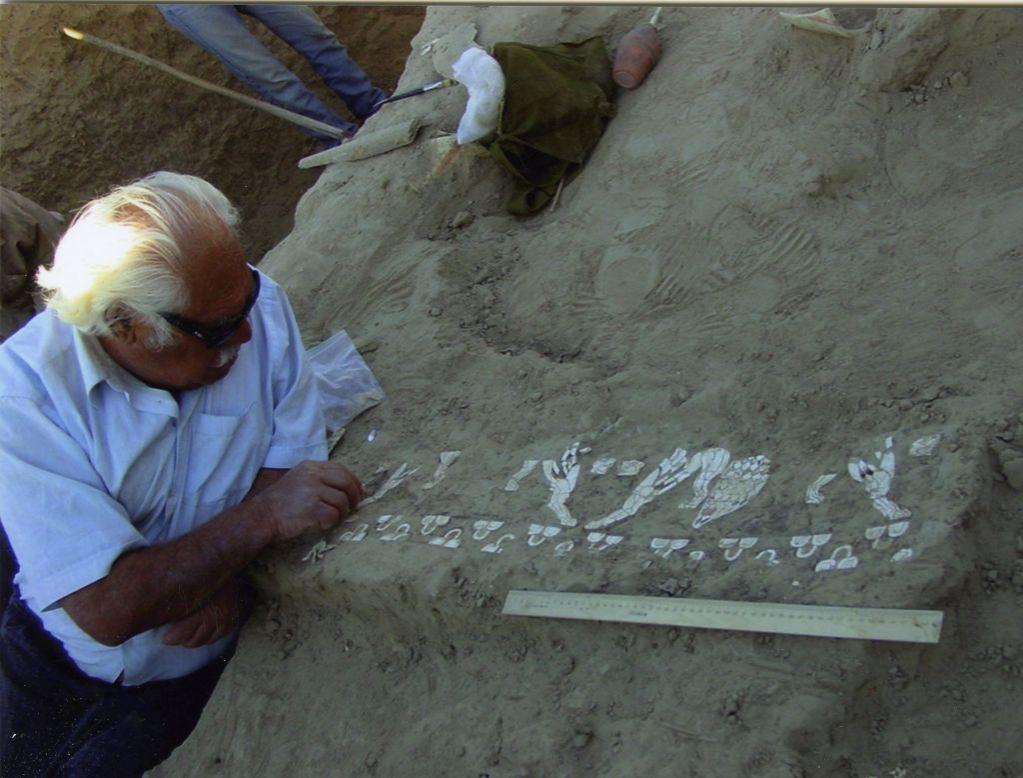
The site was first discovered in the early 1970s and extensively excavated by the greek–russian archaeologist Viktor Sarianidi starting in 1974. Sarianidi’s work revealed that Gonur depe had been a planned city, complete with fortifications, palaces, temples, workshops, water reservoirs, and a vast necropolis. He described it as the “Capital” Of a bronze age state that could rival ancient centers like Mesopotamia and the Indus valley.
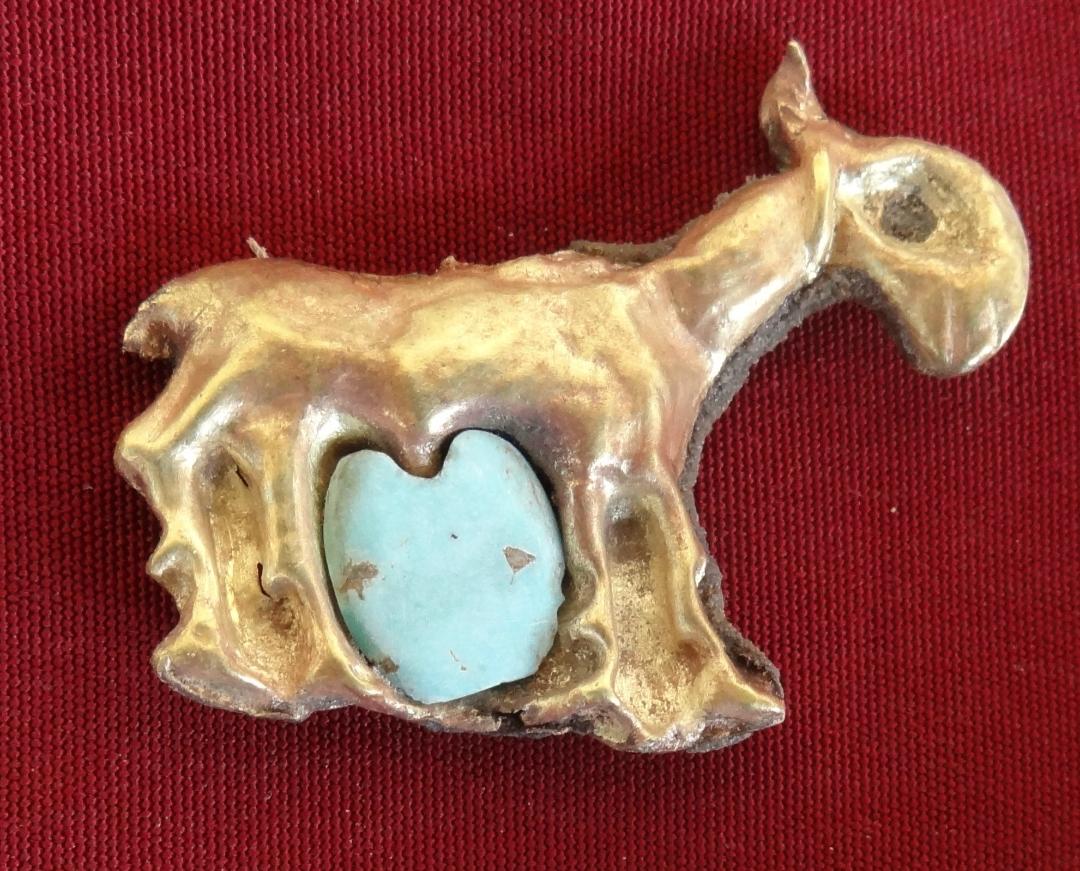
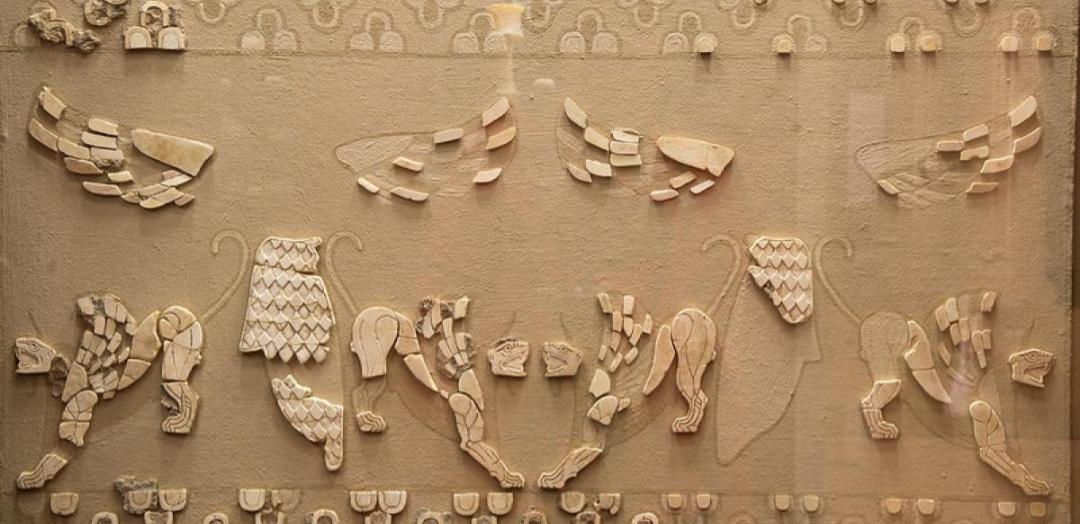
One of the most impressive areas is Gonur north, home to a monumental palace measuring about 150 × 140 meters, surrounded by fortified walls and ceremonial spaces. Archaeologists also uncovered the Royal Necropolis, containing more than 3,000 graves. Many of these burials belonged to the Elite, accompanied by treasures of gold, silver, semi-precious stones, ceramics, and intricate mosaics. These artifacts, now preserved in Turkmen museums, reflect the city’s craftsmanship and wealth.
Another significant area, Gonur south, features concentric defensive walls and a sacred enclosure known as the Temenos. This complex is believed to have been used for ritual ceremonies, possibly connected to early fire worship and the preparation of the sacred drink Soma mentioned in ancient texts. The combination of religious architecture and advanced urban planning makes Gonur depe a key site for understanding the spiritual and cultural life of the Bronze age.