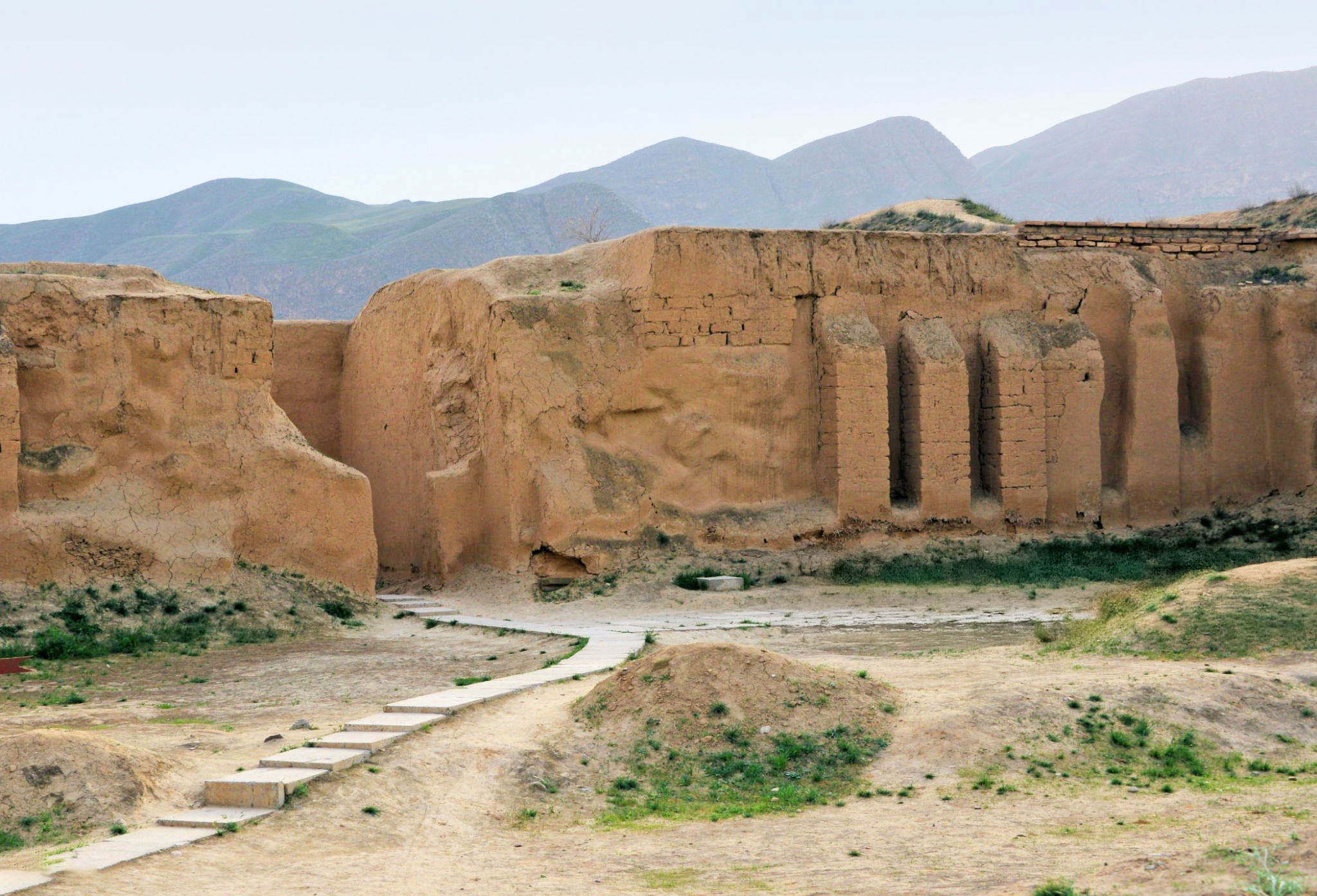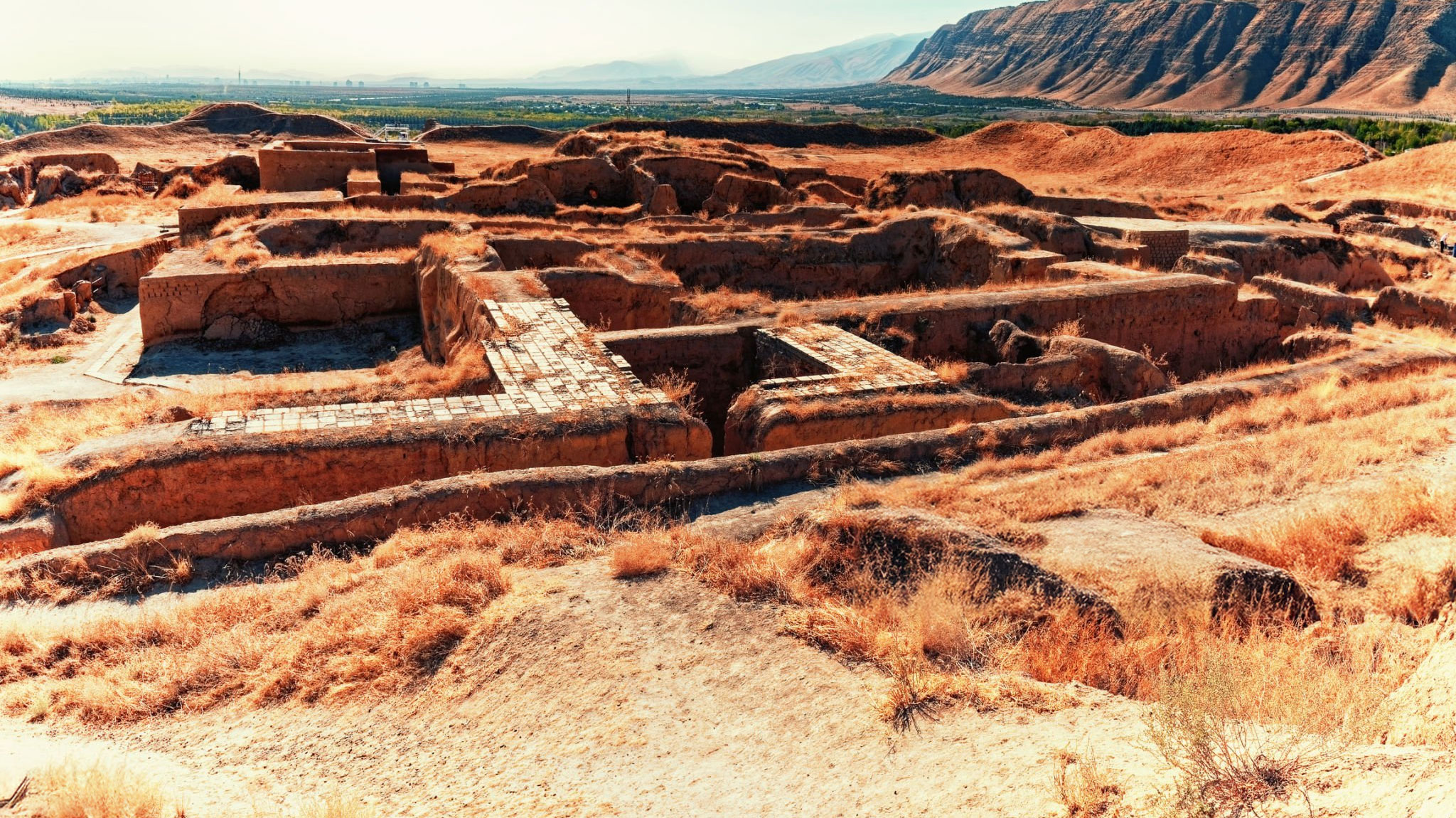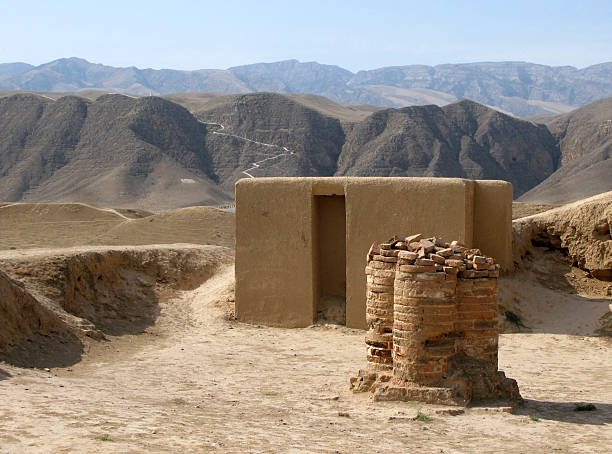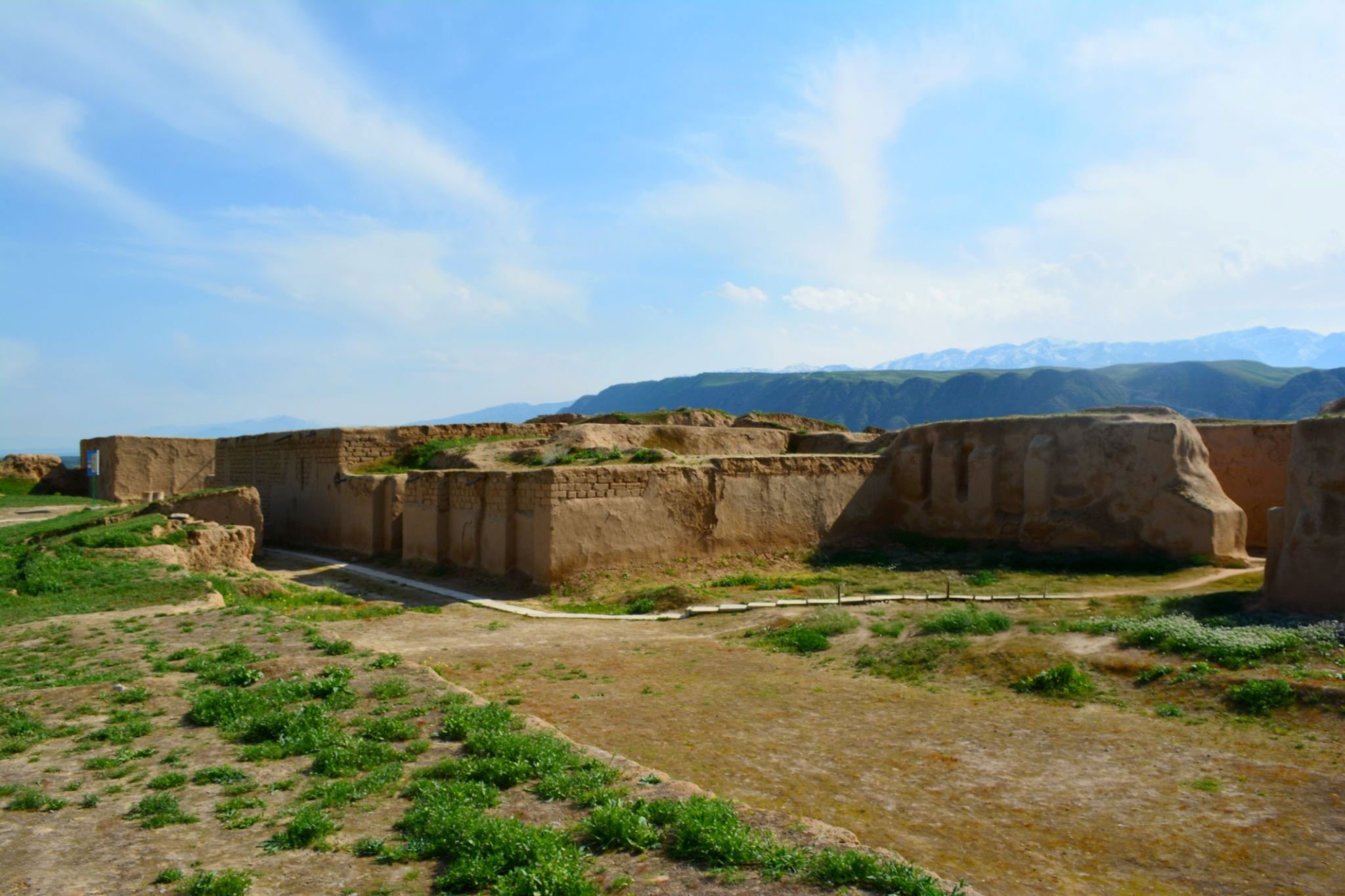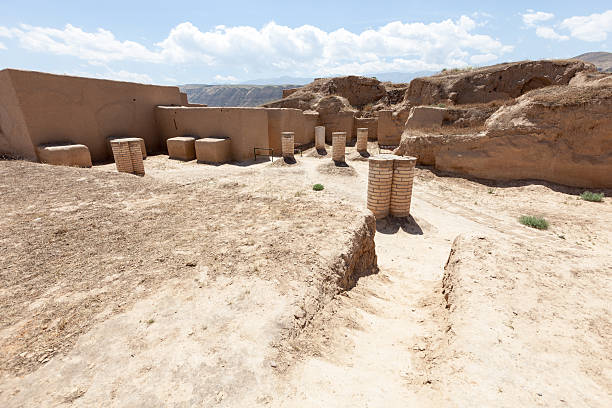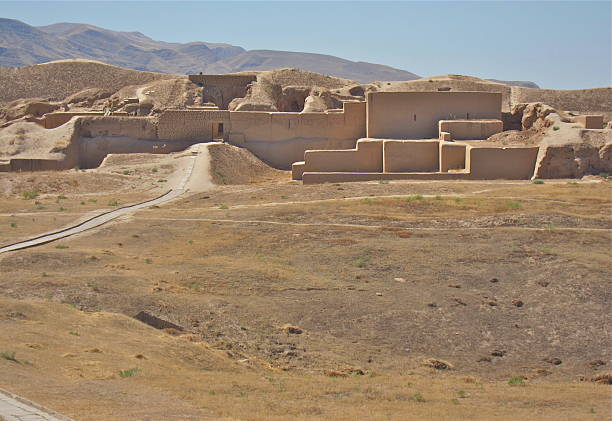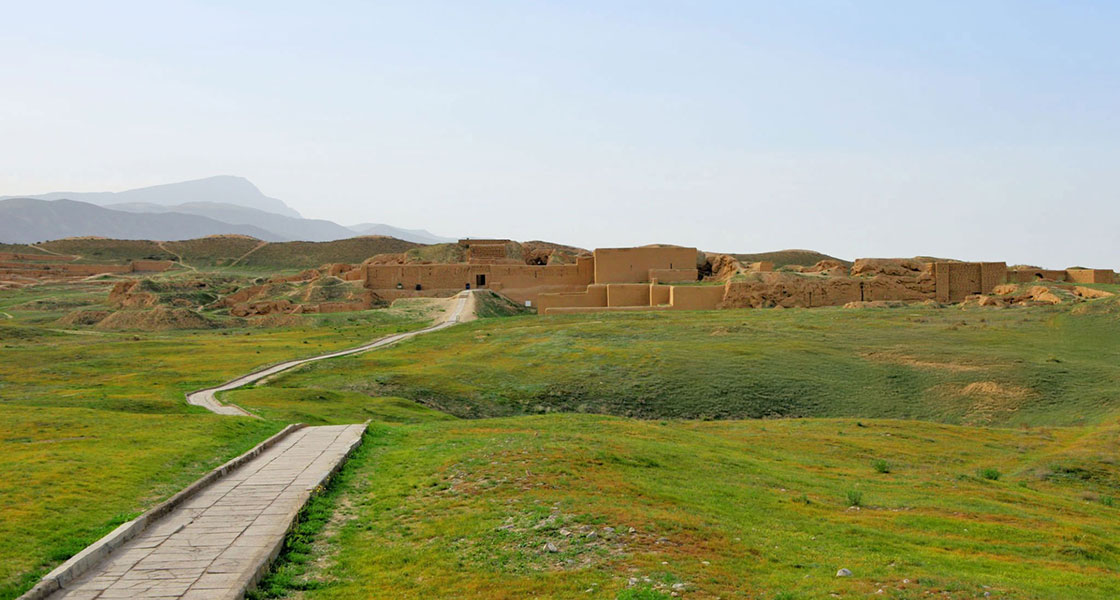
Nusay, also known as Nisa, is one of Turkmenistan’s most treasured archaeological sites and a UNESCO World heritage site (designated in 2007). Located just outside Ashgabat, it was the ancient capital of the Parthian empire and a crossroads of civilizations, where Persian, Hellenistic, and Central Asian influences blended in spectacular ways.
Founded around the 3rd century BCE by the Arsacid dynasty, Nusay served as a political and cultural hub. Its location was carefully chosen for defense and trade, lying near vital caravan routes that connected east and west along the Silk road. The city was famed for its monumental architecture—massive defensive walls, grand palaces, and imposing temples—revealing a sophisticated urban plan and remarkable engineering skills that showcased the Parthians’ wealth and power.
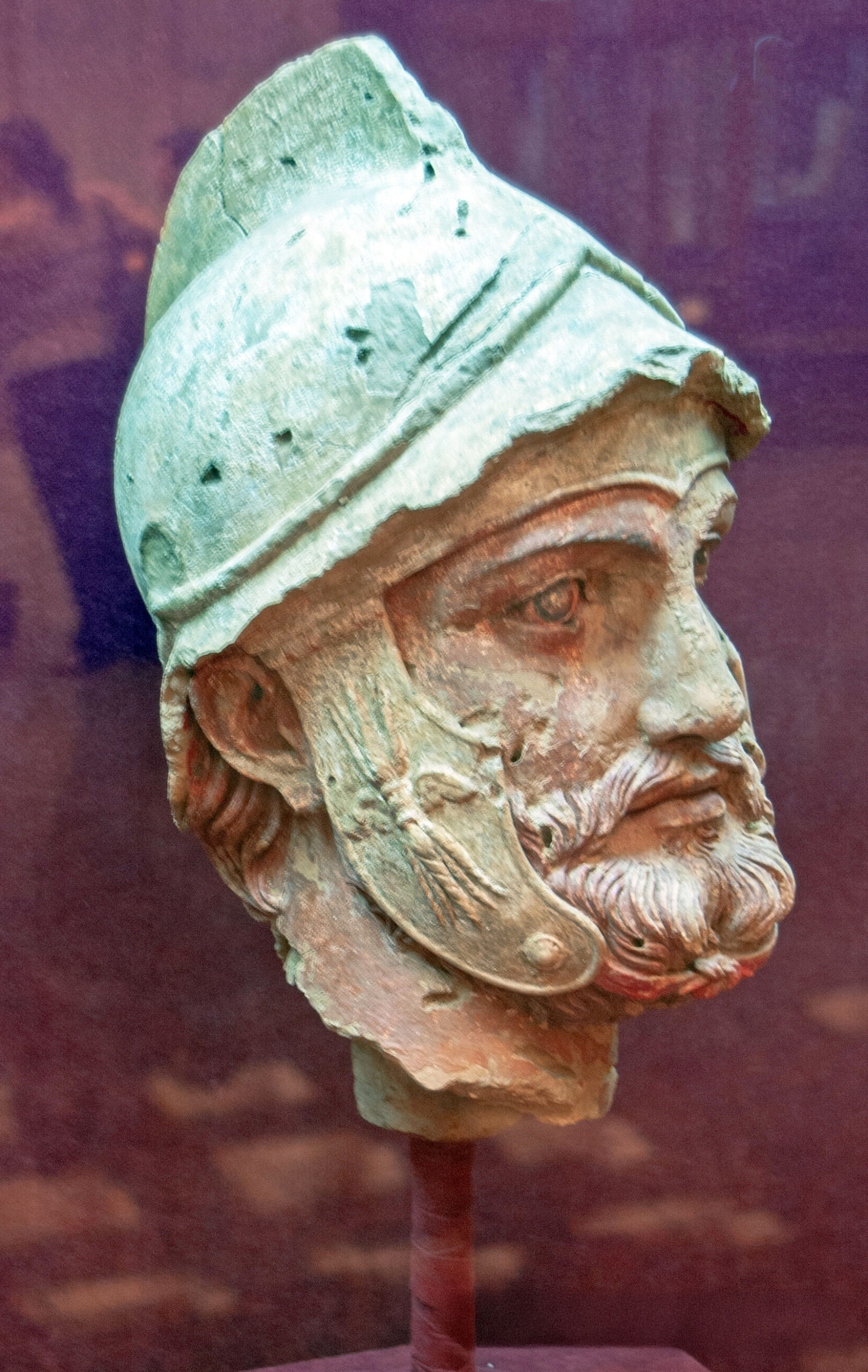
Among the most iconic artifacts discovered here is the “helmeted warrior,” a life-sized sculpted clay head believed to represent a Parthian noble or military leader. Unearthed in 1984 during excavations of the “Building with a square hall” at Old Nisa, this remarkably preserved head (about 34 cm tall, with only minor damage) reflects both Hellenistic artistry and Parthian identity, and continues to captivate historians and visitors alike.
After centuries of prominence, Nusay declined as trade routes shifted and political landscapes changed, suffering destruction—such as a major earthquake in the 1st decade bce—and eventual abandonment. Rediscovered through archaeological work in the 20th century, its ruins offer invaluable insights into Parthian civilization.